Key Takeaways
- Flexible work trends like hybrid schedules and compressed workweeks are redefining team structures in 2026.
- Strong leadership and clear communication are essential to implementing and sustaining flexible models successfully.
As the workplace evolves, flexibility is no longer optional—it’s a necessity. In 2026, new trends are shaping how teams operate, collaborate, and succeed. This article explores nine pivotal flexible work arrangements and provides practical leadership strategies to help you navigate and implement them.
What Are Flexible Work Arrangements?
Definitions and core concepts
“Flexible work arrangements” refers to organizational policies that let employees adjust where, when, and how they do their work. These options give professionals more autonomy while maintaining productivity and accountability. Flexibility is increasingly viewed as a way to align work with individual needs and business goals.
Examples of flexible models
Common models include hybrid schedules, remote work, compressed workweeks, job sharing, and gig or project-based roles. Each setup supports different levels of autonomy, scheduling freedom, and location flexibility. Understanding these models helps you tailor solutions to different teams and tasks.
Why Are Flexible Arrangements Growing in 2026?
Key drivers and motivators
Several drivers fuel flexible work adoption today: technological advances, shifting employee expectations, and rising demands for work-life balance. Organizations have found that flexible work can help attract talent, enhance engagement, and support wellbeing.
Impact of recent workplace shifts
Events like the expansion of remote work and global workplace disruptions have reshaped expectations for both leaders and employees. In response, businesses are re-evaluating their work models and prioritizing adaptability and resilience to stay competitive.
Trend 1: Hybrid Schedules Gain Popularity
Balancing office and remote work
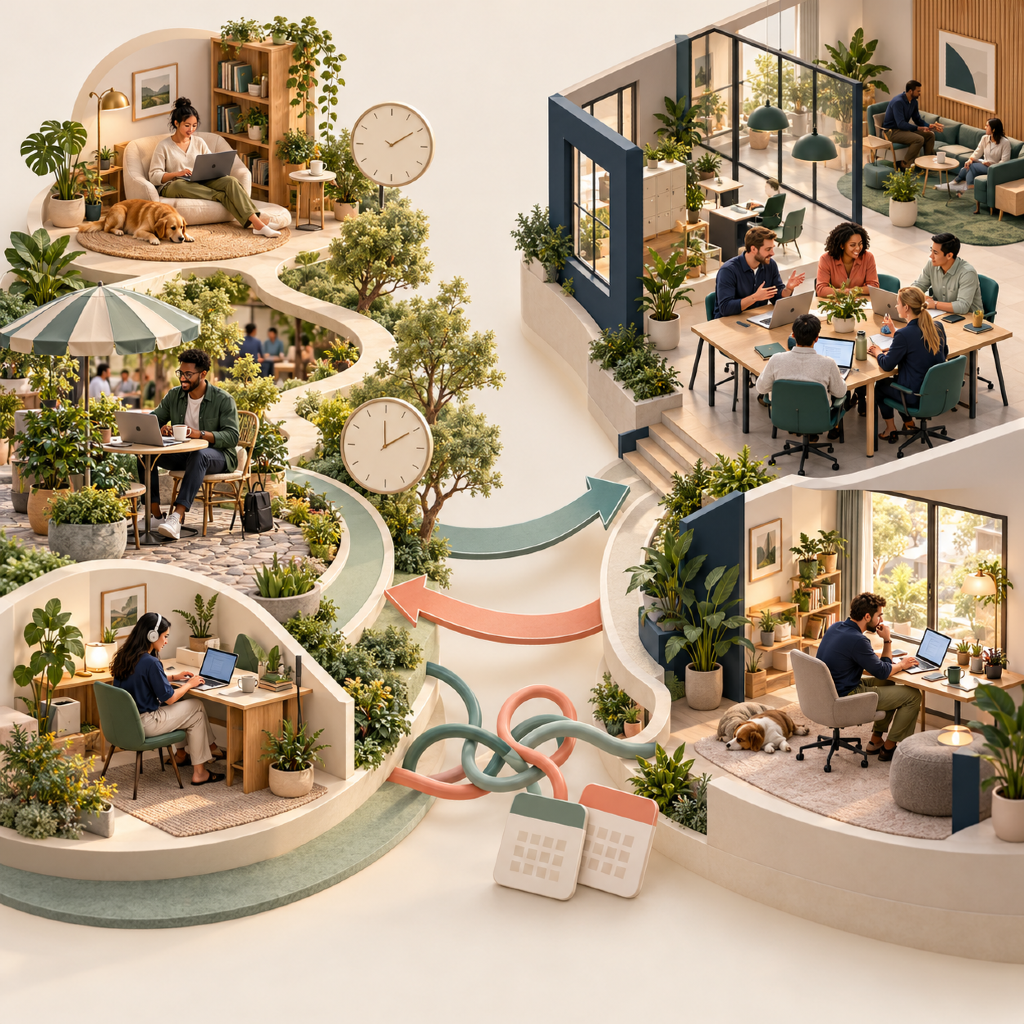
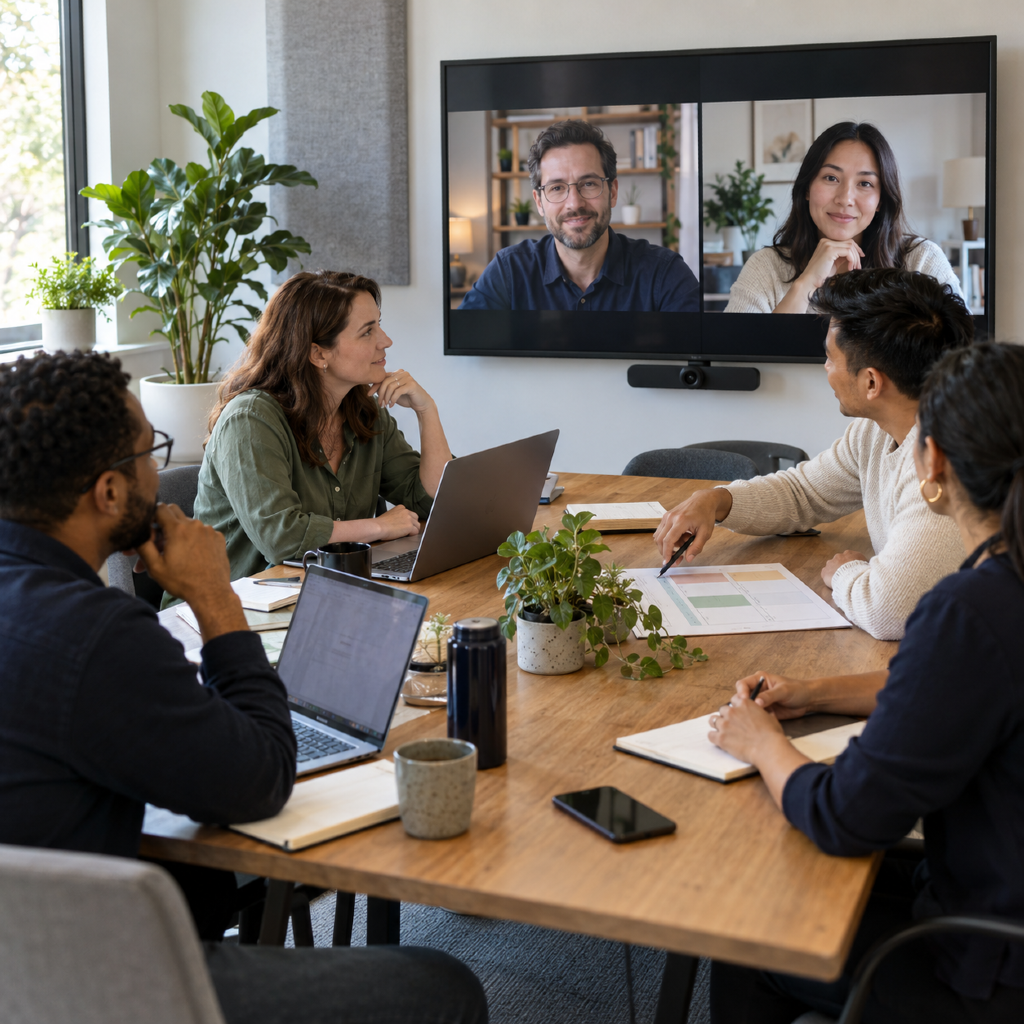
Hybrid schedules blend in-office and remote work, offering more choice and control. You might designate specific days for in-person collaboration and others for remote focus work. This model helps retain team cohesion without compromising flexibility.
Common scheduling frameworks
Many organizations use alternating in-office days, staggered attendance, or flexible attendance quotas. Choosing the right framework depends on team size, role requirements, and business needs.
Trend 2: Compressed Workweeks Expand
Four-day workweek examples
Compressed workweeks, such as four-day schedules, condense standard hours into fewer days. For example, employees may work four 10-hour days instead of five 8-hour days. This can offer extended weekends and more flexibility for personal commitments.
Potential productivity impacts
While compressed schedules appeal to many employees, leaders should consider impacts on productivity, coverage, and client needs. Open dialogue and regular check-ins can help address any challenges and ensure goals are met.
Trend 3: Job Sharing Opportunities Rise
How job sharing works
Job sharing involves two employees splitting the responsibilities and hours of a single full-time role. This option is particularly helpful for those seeking part-time work while remaining fully engaged.
Skills and communication needs
Job-sharing success relies on clear communication, aligned working styles, and strong documentation. Leaders should facilitate regular coordination between job sharers and set expectations for handoffs and responsibilities.
Trend 4: Remote-First Organizations Increase
Best practices for virtual teams
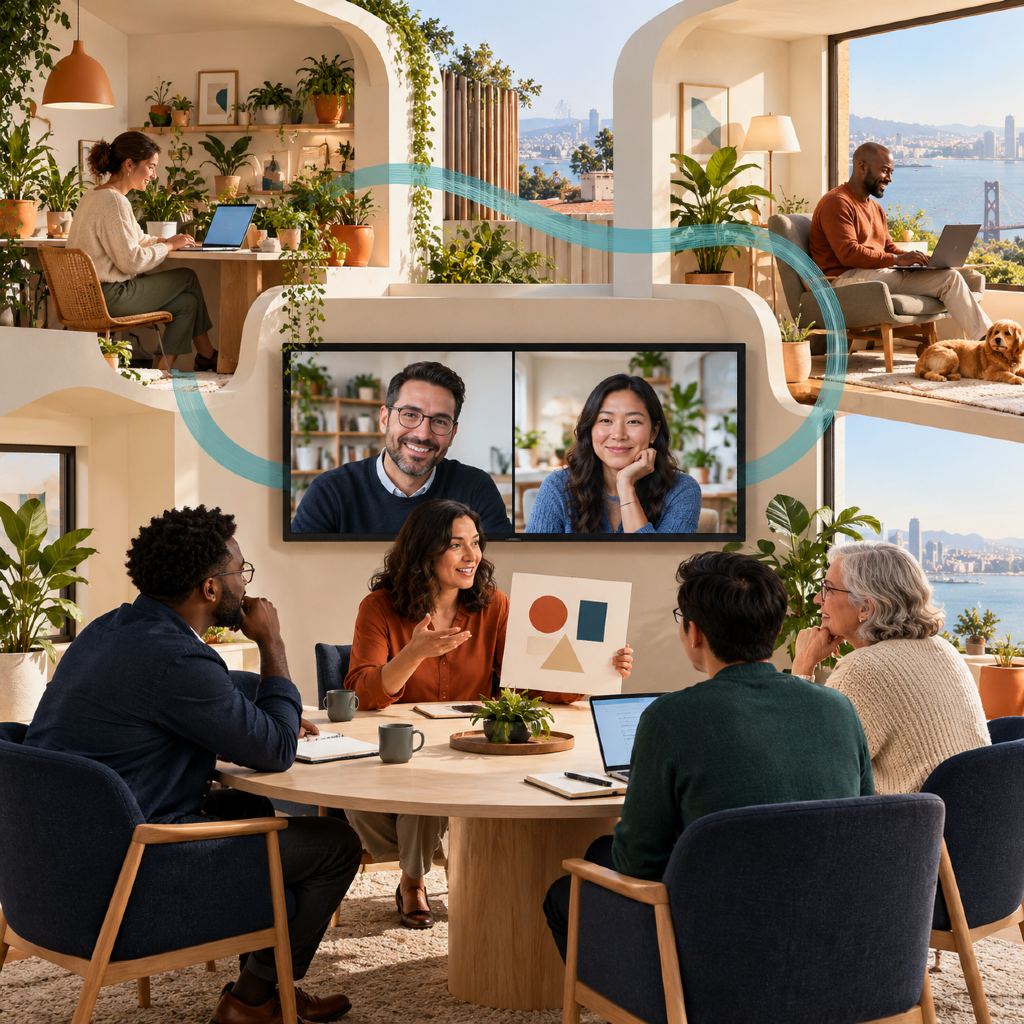
Remote-first organizations assume work can happen anywhere. To support virtual teams, leaders should prioritize reliable communication tools, documentation, and clear feedback protocols.
Building remote culture
Fostering a positive remote culture means emphasizing trust, openness, and inclusion. Leaders can promote engagement with regular virtual check-ins, transparent goal-setting, and opportunities for informal connection.
Trend 5: Flexible Hours and Autonomy
Allowing custom start times
Flexible hours let employees arrange their schedules within agreed limits. This could mean varying start and end times to fit personal needs while maintaining business continuity.
Empowering employees with choice
Granting autonomy over scheduling demonstrates trust and respects individual preferences. Leaders who support this flexibility often see increased job satisfaction and retention.
Trend 6: Location-Independent Work Expands
Mobile workforce strategies
Location-independent work lets employees work from various places, not just home. This can include co-working spaces, satellite offices, or while traveling. Leaders should establish clear guidelines and use digital collaboration platforms to keep everyone connected.
Addressing legal and logistical issues
While location independence boosts appeal, it raises questions about tax, labor regulations, and equipment logistics. Stay informed about basic requirements and consult HR or legal professionals when expanding international work policies.
Trend 7: Results-Only Work Environments
Defining results-over-hours culture
A Results-Only Work Environment (ROWE) focuses on outcomes rather than hours clocked. Employees are evaluated by what they accomplish, not how long they spend online or in the office.
Measuring outcomes effectively
Success depends on setting clear, measurable objectives and tracking progress against those targets. Leaders can maintain accountability while giving employees freedom in how they work.
Trend 8: Gig and Project-Based Arrangements
Temporary and freelance roles
Gig and project-based arrangements offer temporary or specialized assignments, often using freelancers or contractors. This approach introduces agility and access to specialized skills for project-based needs.
Collaboration with nontraditional talent
Working with nontraditional talent requires adaptability in onboarding, communication, and feedback. Leaders should keep project scope clear and foster an inclusive environment for all contributors.
Trend 9: Enhanced Support for Caregivers
Expanded parental and family policies
Flexible workplaces in 2026 increasingly offer comprehensive caregiver support. Expanded parental leave, flexible schedules for family care, and remote options help balance work and home responsibilities.
Inclusive scheduling considerations
Inclusive practices encourage accommodations for diverse caregiver needs. Leaders can support team members by valuing openness, listening to individual circumstances, and offering practical scheduling adjustments where possible.
What Leadership Strategies Build Flexibility?
Setting clear expectations
Effective leaders set transparent expectations for performance, communication, and availability. By articulating priorities and aligning them with flexible options, you create clarity and reduce uncertainty.
Communicating boundaries and goals
Open dialogue about boundaries—such as email response times and nonworking hours—fosters respect and helps everyone maintain balance. Linking goals to outcomes, not just hours logged, supports both productivity and trust in flexible environments.
How Can Leaders Support Team Wellbeing?
Recognizing burnout signs
Leaders play a key role in identifying early signs of burnout, such as declining engagement or persistent overtime. By checking in regularly and encouraging honest conversations, you can address challenges before they escalate.
Promoting healthy work habits
Promote wellbeing by modeling healthy practices—like respecting time off, encouraging breaks, and supporting mental health resources. A healthy team is better poised to thrive within flexible arrangements.
Which Flexible Work Model Is Right for You?
Assessing team roles and needs
Not every flexible arrangement fits all roles. Analyze your team’s responsibilities, workflow, and preferences before deciding. Gathering input from team members helps tailor practical solutions.
Adapting strategies for unique workplaces
No single approach suits every organization. Pilot new models, invite feedback, and refine practices to balance flexibility with operational needs. Ongoing adaptation keeps your chosen models effective as your business and workforce evolve.