
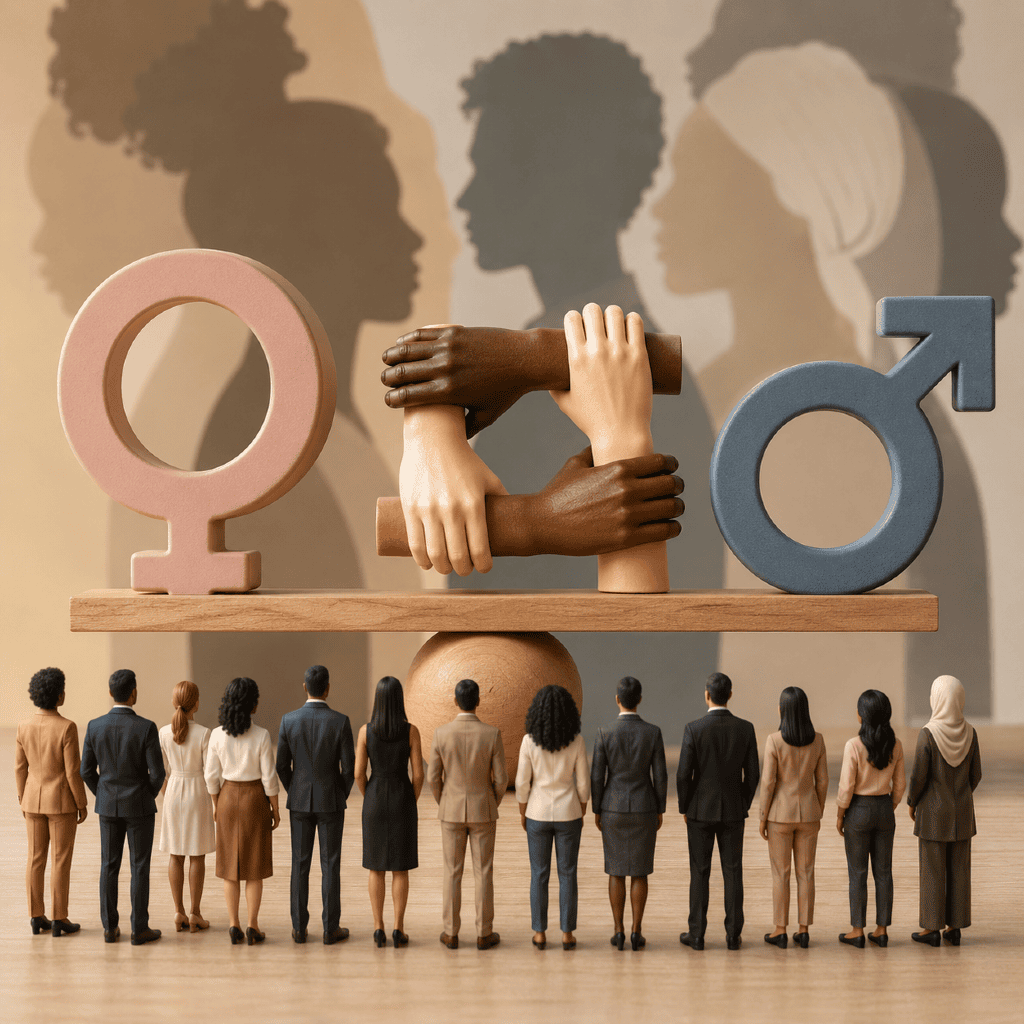
Key Takeaways
- Proactively addressing race and gender bias strengthens team trust, engagement, and innovation.
- Inclusive leadership relies on self-awareness, open dialogue, and continuous refinement of workplace strategies.
With increased focus on workplace equity, addressing race and gender bias is more important than ever. Inclusive leadership is essential—not only for ethical workplaces but also for high-performing, innovative teams. This article outlines clear steps you can take to understand, reduce, and prevent bias while supporting a diverse workforce.
What Is Bias in the Workplace?
Understanding implicit and explicit bias
Bias in the workplace takes many forms. Implicit (unconscious) bias occurs automatically and unintentionally, often based on ingrained stereotypes or social conditioning. Explicit bias, on the other hand, is conscious and deliberate—reflecting beliefs or actions you are aware of. Most people experience both, even if unintentionally, making it crucial to distinguish between the two when developing inclusive leadership practices.
Common forms of workplace bias
Common types of workplace bias include racial or gender bias, ageism, and affinity bias (favoring someone with shared interests or backgrounds). These biases appear in many daily scenarios: hiring, performance reviews, task delegation, promotions, or interpersonal communication. Recognizing these forms is the first step in minimizing their impact.
Recognizing signs of bias daily
Watch for signs such as repeated interruptions, overlooked ideas from certain individuals, or disparities in feedback and development opportunities. Bias often appears subtly—in who is invited to meetings, who receives mentoring, or who leads high-visibility projects. By increasing your awareness, you can start to notice when patterns emerge and intervene appropriately.
Why Address Bias in Leadership?
Impact on team dynamics
Unchecked bias can weaken trust, diminish collaboration, and cause some team members to feel marginalized. As a leader, your commitment to equity has a direct effect on psychological safety—where people feel empowered to voice ideas and raise concerns without fear of retaliation or dismissal.
Benefits for organizational culture
Addressing bias fosters a more respectful, open, and innovative environment. When employees see fairness in decision-making, they’re more likely to feel satisfied at work, remain loyal, and encourage diverse perspectives—all of which contribute to a vibrant organizational culture.
Long-term effects on innovation
Diverse teams with inclusive leaders consistently outperform homogenous groups, particularly when solving complex problems. By addressing race and gender bias, you create a space where novel ideas and solutions can flourish, driving sustainable innovation over time.
What Drives Race and Gender Bias?
Cultural and systemic influences
Societal norms, media portrayals, and historical inequities all contribute to workplace bias. These cultural forces shape assumptions about who is “typical” in leadership or valued roles. Understanding this context is key to developing more equitable structures.
Role of unconscious attitudes
Many biases operate below the level of awareness, influenced by early experiences, institutional practices, or prevailing stereotypes. Leaders must recognize that even with good intentions, unconscious attitudes can shape decisions in ways that disadvantage certain groups.
Social expectations and stereotypes
Expectations about gender and race often guide assumptions about competence, work style, or leadership potential. These stereotypes can limit opportunities for underrepresented individuals, making vigilance and proactive countermeasures necessary.
How Can Leaders Identify Their Own Biases?
Self-reflection techniques
Regular self-reflection is the cornerstone of bias reduction. Consider journaling after meetings: Did you give equal airtime to all participants? Did you rely on assumptions? Asking yourself these questions can reveal unintended preferences.
Seeking feedback from colleagues
Invite trusted peers or team members to provide honest, constructive feedback about your interactions and decision-making patterns. Peer insight often uncovers blind spots and motivates ongoing growth.
Leveraging bias assessment tools
Utilize validated tools, such as implicit association tests or workplace climate surveys, to examine patterns that may signal bias. These resources offer leaders objective data and actionable perspectives for improvement.
Best Practices for Inclusive Leadership
Cultivating an open dialogue
Encourage open conversations around inclusion and diversity. Setting a tone where everyone can share ideas or concerns—without fear of negative consequences—helps dismantle barriers and normalize accountability.
Implementing equitable decision-making
Adopt structured processes for hiring, promotions, and project assignments. Standardized evaluation rubrics, transparent criteria, and panel-based decision-making limit the influence of personal bias and improve fairness.
Building diverse leadership pipelines
Intentionally develop and sponsor underrepresented talent for leadership opportunities. Initiatives such as stretch assignments, succession planning, and leadership development programs make advancement more accessible and broaden your organization’s pool of future leaders.
How to Support Underrepresented Employees?
Establishing mentorship opportunities
Mentorship and sponsorship programs help bridge opportunity gaps. Pairing rising talent with experienced mentors fosters belonging, builds professional networks, and encourages knowledge transfer within your organization.
Ensuring safe reporting mechanisms
Support is crucial when bias incidents or discrimination are reported. Provide accessible, confidential avenues for employees to raise concerns, ensuring their voices are heard and their well-being protected.
Promoting fair professional development
Offer a range of learning and career advancement resources to all employees. Equitable access to training, leadership workshops, and challenging assignments gives everyone a fair chance to grow and succeed.
What Are Common Barriers to Inclusion?
Resistance to change
Some individuals may resist new initiatives or question the value of inclusion efforts. You can address resistance by sharing the positive impact of diversity and engaging stakeholders in developing and implementing policies.
Lack of awareness
Not everyone recognizes the presence or consequences of bias. Educational workshops, data sharing, and ongoing dialogue help raise awareness and build a shared understanding of why inclusion matters.
Resource and policy limitations
Budget constraints or unclear policies can hinder progress. Assess organizational practices regularly, prioritize inclusion in resource allocation, and advocate for clear, actionable guidance for all employees.
Measuring Progress Without Bias
Using objective data points
Track demographic metrics, promotion rates, and retention statistics to monitor equity in your workplace. These data points help you identify trends and evaluate the effectiveness of your inclusion strategies.
Gathering regular employee feedback
Conduct anonymous surveys and feedback sessions to hear directly from team members about their experiences. Honest input reveals challenges and opportunities you might otherwise miss.
Adapting strategies over time
Inclusion is an ongoing endeavor. Assess outcomes regularly, remain open to course corrections, and update your strategies as your team and business needs change.
Challenges Leaders May Encounter
Navigating difficult conversations
Conversations about race, gender, and inclusion can be sensitive. Prepare thoughtfully, listen actively, and acknowledge different perspectives to build trust and foster constructive dialogue.
Addressing pushback tactfully
When you encounter resistance or disagreement, respond with empathy and reference shared values. Maintain professionalism and demonstrate a willingness to engage concerns without defensiveness.
Sustaining momentum
Real culture change happens over weeks, months, and years. Establish regular check-ins, celebrate successes, and remain committed to learning so that inclusive practices become ingrained within your team.
How Can Teams Foster Ongoing Inclusion?
Encouraging peer accountability
Inclusion is everyone’s responsibility. Promote a team culture where peers can respectfully hold each other accountable and recognize positive contributions to equity and fairness.
Celebrating diverse perspectives
Invite a range of voices into decision-making and reward creative, unconventional ideas. Recognizing diverse strengths ensures that all employees feel valued and heard.
Continuous learning and dialogue
Support regular training, workshops, and knowledge sharing. Encourage curiosity, humility, and open communication as you build a more inclusive workplace together.