Key Takeaways
- Structured conflict mediation fosters collaboration and improves overall team performance.
- Practical communication strategies help teams navigate disputes and build long-term trust.
Addressing workplace conflict is both a challenge and an opportunity for any team. By using structured mediation steps, you can turn disagreements into building blocks for collaboration and stronger workplace relationships. Let’s examine the key principles, challenges, and direct actions that help teams thrive after conflict.
What Is Conflict Mediation?
Defining workplace conflict mediation
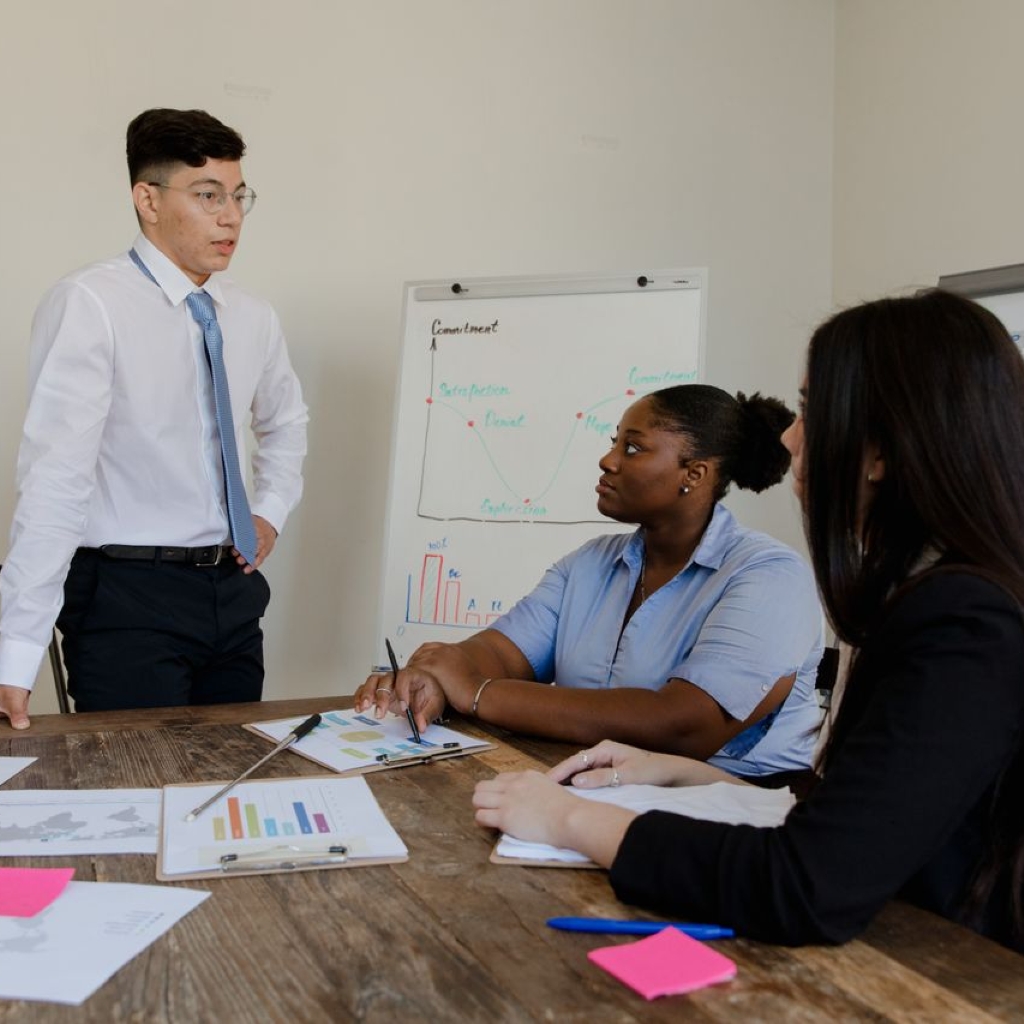
Conflict mediation in the workplace is a structured process where a neutral facilitator helps team members resolve disputes and rebuild working relationships. Unlike negotiation, which can be more adversarial, mediation focuses on mutual understanding and creating solutions that are acceptable to all parties.
Why teams experience conflict
You may notice that team conflicts often stem from differences in communication styles, mismatched expectations, overlapping responsibilities, or competition for limited resources. Personalities, work pressures, and unclear processes can escalate simple misunderstandings into ongoing issues if not addressed early.
Common workplace scenarios
Typical mediation scenarios include disagreements about project priorities, clashes over decision-making authority, or misunderstandings in cross-functional teams. For instance, a marketing and sales team might struggle to align on campaign messaging, leading to tension until mediation occurs.
Why Does Team Collaboration Matter Now?
Collaboration’s impact on productivity
When teams collaborate effectively, workflow becomes smoother and productivity rises. You benefit from collective problem-solving, creative thinking, and fewer bottlenecks, giving your projects a competitive edge.
Team morale and communication
Strong team collaboration builds trust and supports positive morale. Open communication reduces frustration, keeps everyone informed, and empowers team members to contribute their perspectives without fear.
Remote and hybrid work considerations
With more teams operating remotely or in hybrid environments, collaboration requires extra attention. Seamless teamwork relies on digital tools, clear expectations, and intentional relationship-building to counteract distance or virtual miscommunications.
Step 1: Assess the Conflict Situation
Gathering objective facts
Begin mediation by collecting objective information around the conflict. This means documenting facts—such as missed deadlines, differing feedback, or documented communications—rather than relying on assumptions or second-hand reports.
Listening to team perspectives
Invite involved parties to share their views in a safe, neutral environment. Active listening at this stage demonstrates respect and ensures that everyone feels heard, setting the stage for honest discussion.
Identifying underlying issues
Look beyond surface-level disagreements to uncover root causes. Sometimes, repeated misunderstandings or tension may point to larger process gaps, such as unclear roles or differing priorities between teams.
Step 2: Establish Mediation Ground Rules
Encouraging respectful dialogue
Successful mediation depends on mutual respect. As a mediator, set clear guidelines that encourage participants to speak calmly, avoid interruptions, and focus on issues rather than personal attacks.
Setting confidentiality boundaries
Explain what information will remain private and underline the importance of discretion for everyone involved. This builds trust, enabling open discussion without fear of broad repercussions.
Clarifying goals of mediation
Agree on the objectives of mediation upfront—whether it’s restoring trust, clarifying responsibilities, or finding a way forward on a project. Clear goals keep conversations productive and future-focused.
Step 3: Facilitate Open Communication
Active listening techniques
Use open-ended questions, reflective listening, and summarizing statements to clarify and validate what each person says. These approaches help you surface underlying concerns and establish common ground.
Encouraging equal participation
Ensure all voices have equal weight in the discussion. Sometimes, quieter team members may need encouragement to contribute, so create space for everyone to engage.
Addressing emotional triggers
Acknowledge feelings without judgment. When emotions run high, pausing or taking a break may help participants regain composure. Recognize that emotional responses often point to what matters most to team members.
Step 4: Explore Solutions and Compromises
Brainstorming resolution options
Guide the team to propose several solutions together—no idea is dismissed too quickly. Inclusive brainstorming often reveals creative ways to meet everyone’s needs.
Evaluating practical outcomes
Discuss the feasibility of each option, considering the team’s available resources, deadlines, and existing commitments. Focus on solutions that address both short-term fixes and long-term improvements.
Building consensus in teams
Facilitate agreement by identifying points of overlap and shared interests. Aim for solutions with broad support rather than those benefiting only one side. Consensus often leads to more sustainable results than win-lose outcomes.
How Can Outcomes Be Reviewed and Improved?
Setting follow-up check-ins
Schedule follow-up meetings to assess progress on agreed solutions. Regular check-ins show your commitment to ongoing improvement and provide a forum to address any new concerns.
Collecting team feedback
Invite all participants to share feedback on both the process and the results. This insight helps fine-tune future conflict mediation efforts and shows that continuous improvement is welcomed.
Adjusting processes as needed
If challenges remain, be ready to adjust workflows or clarify roles further. Sometimes, repeated conflicts highlight areas where policies or communication processes need an update.
What Common Challenges Do Mediators Face?
Managing power dynamics
As a mediator or team leader, you may encounter power imbalances between participants. Pay attention to hierarchical dynamics or dominant personalities, and work proactively to ensure balanced participation and a sense of fairness.
Handling ongoing disagreements
Some conflicts may not be resolved in a single session. Persistent tension requires ongoing facilitation and willingness from all sides to revisit issues as they arise. Patience and steady encouragement are key.
Balancing neutrality and leadership
Acting as a neutral party while also holding a leadership role is challenging. Remain impartial during mediation, even if you supervise team members involved in the conflict. This builds trust and upholds the integrity of the mediation process.
Tips for Fostering Future Collaboration
Encouraging transparency
Promote open sharing of information, project goals, and expectations throughout your team’s work. Transparency reduces misunderstandings and builds a foundation for trust.
Developing team communication skills
Provide access to training or tools that help your team improve their listening, feedback, and conflict resolution abilities. Strong communication is essential for effective, sustainable collaboration.
Promoting ongoing dialogue
Make routine check-ins, project retrospectives, or informal discussions part of your team culture. Regular, genuine dialogue helps you identify brewing issues early and encourages a supportive environment for growth and innovation.