
Key Takeaways
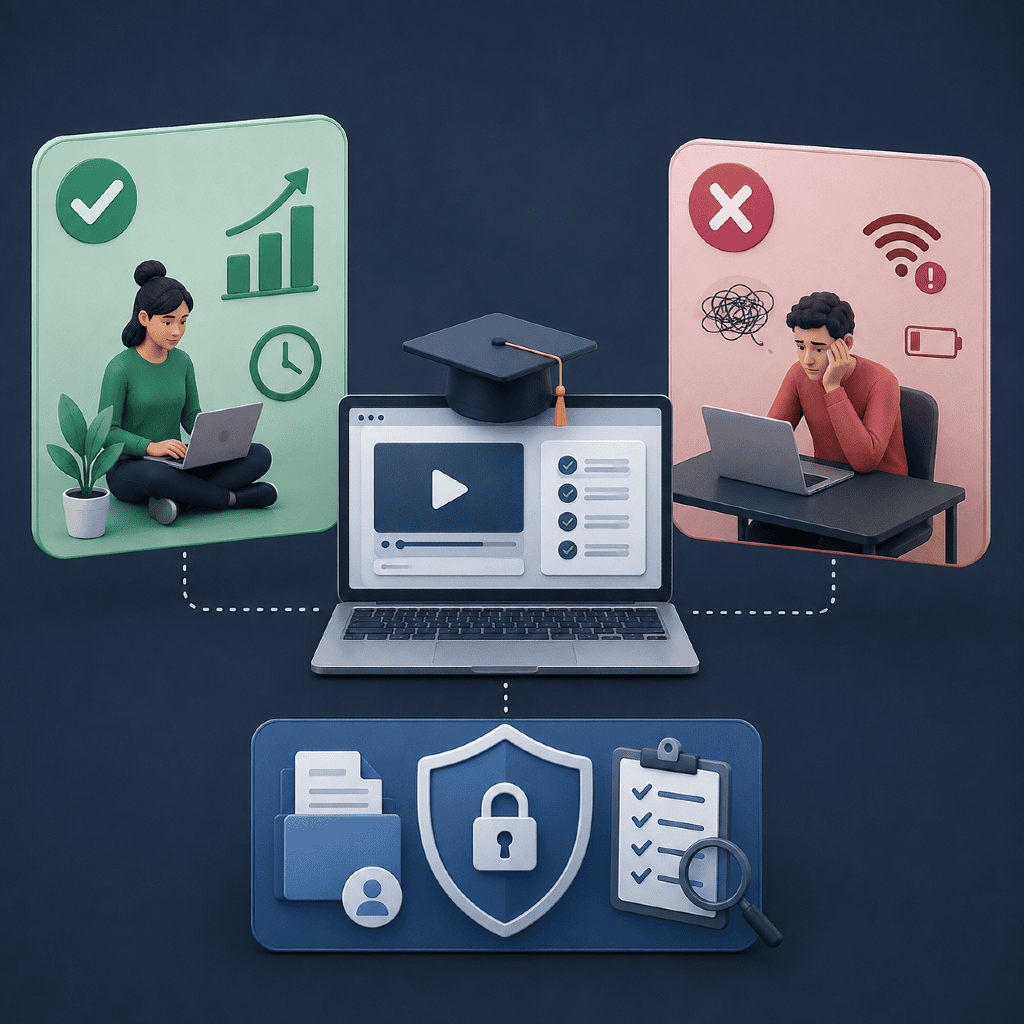
- Digital training modules offer scalable, accessible learning but require careful management of engagement and compliance concerns.
- Blending digital and in-person training can address differing learning styles and content requirements.
In today’s evolving workplace, digital training modules have rapidly shifted from novelty to necessity. If you’re considering implementing digital learning for your team or organization, understanding the benefits, potential pitfalls, and crucial compliance factors can help you make informed, effective decisions.
What Are Digital Training Modules?
Basic definition and structure
Digital training modules are structured online learning units designed to teach, reinforce, or assess knowledge and skills. Typically self-contained, each module covers specific topics and uses a combination of text, video, quizzes, and interactive elements. You will often find that these modules can stand alone or be linked as part of a larger course, allowing you to progress through material at your own pace.
Common use cases
You’ll see digital training modules used for various professional development needs: onboarding new hires, mandatory compliance training, upskilling employees on new technologies, or managing workplace safety protocols. Many organizations also rely on these modules to refresh content, introduce new policies, or provide resource libraries for ongoing learning.
How Do Digital Modules Improve Learning?
Accessibility and self-paced content
One of the defining advantages is accessibility. Digital modules enable you and your team to access content from anywhere, at any time. This flexibility is especially valuable for remote teams, shift workers, or distributed organizations. Self-paced modules let learners engage with material according to individual schedules and comprehension speeds, reducing pressure and improving retention.
Scalability for growing teams
Digital training modules can be deployed to any number of employees with minimal incremental cost. As your team or company grows, you can train new groups without constantly repeating in-person sessions. This scalability enables consistent messaging and ensures that everyone—from entry-level staff to senior management—receives the same core material.
Tracking progress and feedback
Most digital training platforms provide tools for tracking individual and group progress, quiz results, and time spent on modules. You can use these analytics to identify knowledge gaps, quickly spot learners who may need additional support, and gather feedback to improve training quality.
What Are the Main Limitations?
Potential engagement challenges
While digital modules offer flexibility, they sometimes lack the direct engagement of in-person sessions. Without real-time interaction or group activities, some learners may feel isolated or disengaged. It’s important to design modules that encourage interaction, use multimedia, and incorporate periodic assessments to keep participants involved.
Technical and access barriers
Not every learner has equal access to devices, stable internet, or technical support. When rolling out digital modules, you’ll need to ensure that your platform and content are compatible with a range of devices and bandwidths. Providing troubleshooting resources and clear instructions can help minimize technical frustrations.
Not always suitable for all topics
Certain subjects—especially those involving hands-on skills or sensitive interpersonal dynamics—may not translate well into a digital-only format. You should carefully consider whether a topic is best addressed through online learning, in-person sessions, or a blend of both.
What Compliance Factors Matter Most?
Data privacy and security standards
With digital modules, you’re often collecting personal data and training records. It’s critical to choose platforms that meet recognized data privacy and security standards, such as GDPR or other local regulations (according to your region’s requirements). Safeguarding data builds trust and protects your organization from compliance risks.
Maintaining content accuracy
Compliance training is only effective if the information is accurate and current. You have a responsibility to regularly review your modules for updates, whether required by new legislation or company policies. Outdated content can lead to confusion or unintentional non-compliance.
Accessibility regulations
Global guidelines—such as the Web Content Accessibility Guidelines (WCAG)—require that digital content is accessible to everyone, including people with disabilities. Make sure your digital modules use readable text, captions for audio/video content, screen reader compatibility, and accessible navigation.
How to Select the Right Module?
Assessing organizational needs
Before investing in a specific solution, clearly define your learning objectives. Is your priority compliance, safety, onboarding, skill growth, or something else? Pinpointing organizational needs helps you narrow module options and reduces wasted time evaluating unsuitable solutions.
Evaluating content quality
Scrutinize the module’s instructional design and content. High-quality modules are clear, accurate, up to date, and include a variety of media to match different learning preferences. Look for content that is easy to understand, practical, and directly relevant to your intended audience.
Vendor credibility and support
The provider’s track record matters. You’ll want to verify vendor credibility through independent reviews, client testimonials, and support responsiveness. Quality support is essential for troubleshooting technical challenges, content updating, and integration with your other HR systems.
Can Digital Training Work for Everyone?
Individual learning styles
Not every employee learns best through digital content. Some prefer visual examples, others learn by doing, and some need the motivation provided by in-person sessions. As you implement digital training, consider periodic feedback surveys and build in alternatives for those who may struggle with online formats.
Blending digital and in-person formats
Many organizations choose a blended approach—combining digital modules with live workshops, group discussions, or coaching. This balance can improve engagement and applicability, especially for complex skills or team-building objectives. Flexibility empowers you to meet diverse learner needs while reaping digital efficiency benefits.