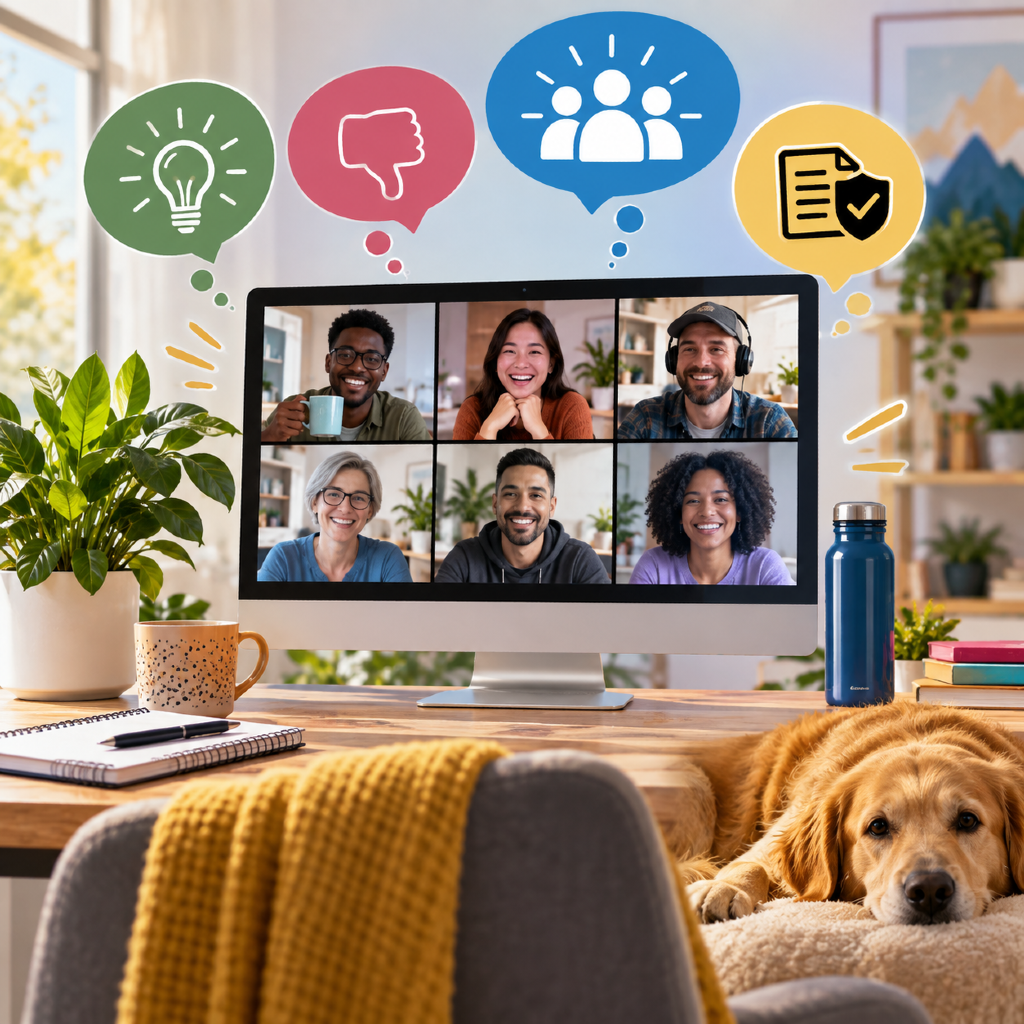
Key Takeaways:
- Remote collaboration relies on effective communication and the right digital tools.
- Leaders must develop specific skills for managing virtual and asynchronous teams.
- Trust, transparency, and psychological safety are foundational for distributed teams.
- Cross-cultural awareness and inclusive agendas help foster global team connections.
- Structured feedback and clear performance metrics support remote accountability and engagement.
Introduction
In today’s rapidly evolving workplace, employee development planning is fundamental for professionals aiming to chart a clear career path. For federal employees seeking advancement, identifying personal growth objectives and aligning them with organizational needs is essential. Comprehensive employee development programs featuring mentor matching and leadership skill assessments empower individuals to maximize their strengths, address skill gaps, and cultivate the expertise necessary for ongoing success. This article examines best practices for integrating mentor support and diagnostic tools into a tailored development strategy, helping employees achieve their full potential.
Unlocking Remote Collaboration Best Practices: Why They Matter
Remote and hybrid work environments have transformed how teams communicate, develop professionally, and progress in their careers. Effective collaboration—whether virtual or in person—relies upon structured development plans that incorporate targeted mentoring and robust assessment tools. Organizations prioritizing these best practices see enhanced productivity, job satisfaction, and retention among employees. By investing in individual growth through mentorship and leadership training, employers create a more resilient and adaptive workforce able to navigate future challenges.
Remote Team Communication Strategies for Seamless Connection
Choosing the Right Digital Collaboration Tools for Leaders
A successful employee development plan requires reliable channels for communication and knowledge sharing. Digital collaboration tools offer platforms for video meetings, instant messaging, document sharing, and project management. Federal employees benefit from tools that are secure, easy to navigate, and accessible across devices. Leaders should select platforms that support mentorship connections, track progress on development objectives, and facilitate ongoing feedback—key elements in career mapping and professional growth.
Synchronous vs. Asynchronous Messaging: Balancing Methods
Understanding when to use real-time conversations or delayed responses is critical for remote teams. Synchronous methods, such as scheduled video calls, lend themselves well to mentoring sessions and leadership workshops where immediate feedback is valuable. Conversely, asynchronous tools—like email or collaborative documents—support reflection and accommodate diverse schedules, particularly for cross-departmental mentorship or peer review processes. Balancing these methods allows for deeper connections, more thoughtful feedback, and greater flexibility in employee development pursuits.
Virtual Leadership Skills Development for Adaptive Managers
Cultivating Emotional Intelligence in Virtual Settings
Leadership skill assessment tools help federal employees identify personal strengths and areas for growth related to emotional intelligence, stress management, and team interaction. By understanding one’s emotional triggers, communication styles, and conflict resolution abilities, individuals can make more informed decisions about suitable mentors and career trajectories. Ongoing self-assessment through digital surveys or 360-degree feedback informs customized learning pathways, resulting in more agile and adaptive leaders.
Leading Asynchronous Work Environments Effectively
Leadership in remote settings demands an understanding of asynchronous management—the ability to coordinate tasks and guide staff across multiple time zones or flexible schedules. Assessment tools can reveal strengths in delegation, self-motivation, and clarity of communication. Matching mentees with mentors who excel in these areas provides hands-on opportunities to learn best practices, ensuring consistent team performance regardless of location or schedule.
Building Trust in Distributed Teams: Foundations & Tactics
Establishing Transparency and Psychological Safety Online
Trust is a critical element when teams collaborate at a distance. Clear, open communication regarding expectations, progress, and feedback helps establish psychological safety, allowing employees to take calculated risks and explore new roles. Leadership development programs that include mentor input foster supportive environments, where individuals feel confident pursuing stretch assignments and exploring future opportunities.
Setting Clear Expectations for Remote Workers
Clearly defined goals and role descriptions are essential for remote team members. Development plans—created with input from mentors and supported by assessment tools—enable employees to visualize career progression, understand performance metrics, and align daily efforts with broader organizational objectives. Transparent expectations reduce ambiguity and empower employees to own their career advancement.
Managing Cross-Cultural Remote Teams with Confidence
Creating Inclusive Remote Meeting Agendas
Federal agencies and organizations operate within increasingly diverse environments. Inclusivity and cross-cultural understanding are imperative for effective collaboration and employee growth. Incorporating cultural awareness into employee development plans, through customized mentor matching, ensures that employees receive guidance relevant to their backgrounds and values. Thoughtful meeting agendas that consider varied time zones, languages, and holidays foster greater participation from all involved.
Addressing Communication Barriers in Global Teams
Communication barriers often emerge in remote teams with members from different regions. Leadership assessment tools can help identify gaps in intercultural competence, enabling targeted training and mentor pairing for skill-building. Effective communication strategies, confirmed through feedback and ongoing review, support equitable participation and lead to improved outcomes across distributed teams.
Performance Evaluation and Feedback in Virtual Teams
Effective Feedback in Virtual Settings
Delivering and receiving feedback remotely can be challenging without the nuances of in-person interaction. Structured assessments and feedback tools provide objective measures of progress and identify areas for improvement. Federal employees benefit from regular check-ins and peer evaluations, reinforcing accountability and supporting continuous development.
Enhancing Remote Team Accountability with Metrics
Data-driven performance reviews help employees understand how their contributions align with organizational goals. By integrating assessment results into ongoing development discussions with mentors, individuals receive actionable insights to advance toward their personalized growth objectives. This evidence-based approach supports transparency and helps sustain high performance within virtual teams.
Fostering Engagement & Motivation in Remote Teams
Remote Employee Motivation Tactics that Work
Motivation flourishes in environments where employees feel supported, recognized, and empowered to pursue meaningful goals. Mentor matching provides access to experienced guidance and encouragement, while leadership skill assessments highlight strengths to build upon. Regular recognition of milestones, opportunities for peer learning, and involvement in decision-making processes all contribute to higher levels of engagement and satisfaction.
Remote Conflict Resolution Techniques for Team Harmony
Conflict is inevitable in any team, but remote work adds complexity to resolution efforts. Equipping employees with conflict management training—as part of a broader leadership development plan—enables them to confront challenges constructively. Mentors play a pivotal role in modeling effective conflict resolution techniques, supporting mentees as they apply these skills in real scenarios.
Invest in Personalized Career Growth
Personalized employee development, championed through mentor matching and leadership skill assessments, unlocks new avenues for federal employees seeking advancement. Combining modern collaboration tools, clear communication practices, and inclusive leadership frameworks ensures individuals are prepared for present and future challenges. By investing in tailored career mapping, organizations nurture a culture of continuous improvement, adaptability, and success. Now is the time to embrace these strategies and guide your workforce—and yourself—toward lasting professional growth.