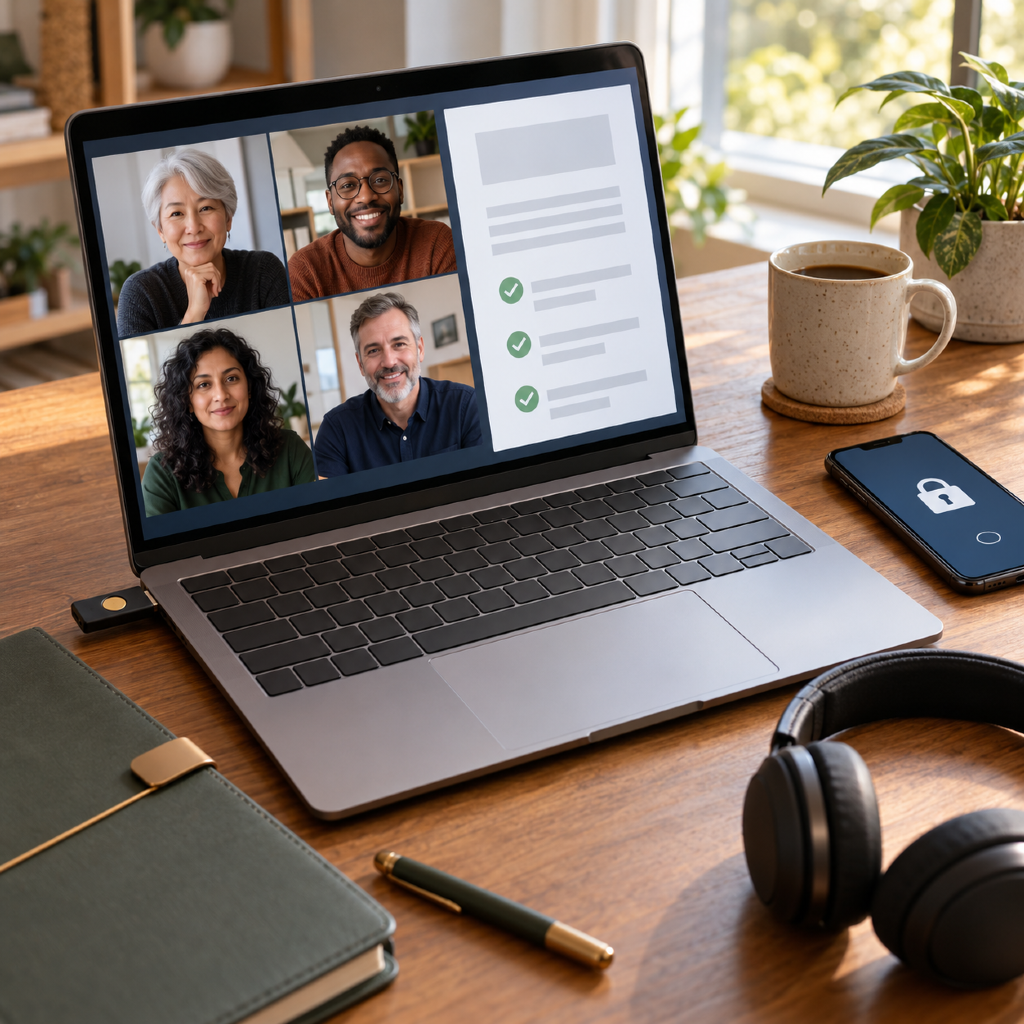
Key Takeaways
- Personalized employee training supports engagement, adaptability, and continuous growth.
- Clear steps and thoughtful leadership maximize training benefits for modern workplaces.
Did you know that organizations using personalized training report workforce engagement rates much higher than those relying on traditional methods? In 2026, tailoring development to each employee is more crucial—and accessible—than ever. This guide offers leaders and team builders actionable steps, proven benefits, and leadership impacts of adopting a personalized training approach.
What Is Personalized Employee Training?
Definition and Key Features
Personalized employee training is a development process tailored to the individual needs, skills, and goals of each employee. Instead of relying solely on standardized, one-size-fits-all modules, personalized programs use assessments, feedback, and ongoing communication to adjust both content and delivery methods. Key features include:
- Customized learning paths
- Flexibility in content and pacing
- Integration of each employee’s strengths, interests, and career aspirations
Personalized training can involve digital platforms, mentoring, hands-on experiences, or a mix of these, always focusing on making learning as relevant and engaging as possible.
Personalization vs. Traditional Training
Traditional training often covers broad topics for entire teams, regardless of each person’s starting point. Everyone receives the same information, format, and timeline. In contrast, personalized training adapts to differences, so someone new to a task isn’t overwhelmed, and experienced team members still find value and challenge. The result is a more motivated, more effective workforce.
Why Invest in Tailored Training Programs?
Emerging Trends in 2026
By 2026, you’ll notice that digital platforms and data-driven analytics have made personalized training more practical for teams of all sizes. Key trends include:
- Use of AI to monitor progress and suggest learning resources
- Microlearning modules adapted to busy schedules
- Ongoing feedback loops replacing annual reviews
- Greater focus on soft skills, adaptability, and well-being
These trends keep development relevant for shifting market needs and employee expectations.
Risks of Generic Training Approaches
Generic, one-size-fits-all training programs can:
- Lower employee engagement
- Miss important skill gaps
- Fail to support different learning styles
- Slow down skill development
In the long run, this can lead to higher turnover and less adaptable teams. Tailoring content and delivery minimizes these risks and improves long-term retention and performance.
What Are the Core Steps to Start?
Step 1: Assess Team Needs
Start by gathering data—surveys, interviews, and performance metrics help uncover strengths, gaps, and individual career goals. This assessment guides the rest of your process and ensures your efforts target real needs.
Step 2: Set Clear Learning Goals
Collaborate with team members to define what successful training looks like for them. Specify not just what to learn, but why it matters and how it ties back to their roles or aspirations. Clear goals help you measure progress and keep training relevant.
Step 3: Design Customized Content
Select materials, activities, and formats that align with your assessment and goals. Blend digital resources, hands-on projects, group sessions, and mentorship opportunities. Remember, content should be adaptable—not just individualized but also able to evolve with changing needs.
Step 4: Implement Training Strategies
Roll out your program with flexible scheduling and delivery. Encourage active participation through short learning modules, peer learning, and regular feedback. Allow room for self-directed exploration, so each employee stays engaged at their own pace.
Step 5: Evaluate and Adjust Over Time
Use feedback from participants, learning analytics, and performance data to tweak your training. Adjust frequency, content, or approach as necessary. The most effective programs are dynamic—staying in tune with shifting team and business needs.
How Does Personalized Training Benefit Teams?
Boosting Employee Confidence
When training meets your team’s unique needs, employees quickly build confidence. They see direct relevance in what they’re learning, leading to greater participation and willingness to apply new skills to real problems.
Supporting Diverse Learning Styles
Personalized programs respect that not everyone learns best from a lecture or a manual. Some prefer visual content, others hands-on tasks, while some thrive with peer collaboration. Adapting to these styles accelerates learning and knowledge retention.
Encouraging Ongoing Skill Growth
By framing training as a continual process, employees remain open to developing new skills over time. Regularly updated content keeps motivation high and helps teams adapt to change without falling behind.
What Impact Can Leaders Expect?
Facilitating Stronger Team Engagement
Leaders who champion tailored training foster a sense of value and inclusion on their teams. When everyone feels their growth matters, engagement and morale rise—leading to better outcomes for the whole organization.
Cultivating an Adaptable Work Culture
Through ongoing personalized development, leaders encourage teams to embrace change and new challenges. This adaptability is a key strength in competitive and rapidly evolving markets.
Supporting Inclusive Leadership Practices
Custom training plans help leaders recognize and address the needs of diverse team members. By promoting equal access to development, you support fairer, more inclusive leadership—an essential value in contemporary workplaces.
Common Questions About Personalized Training
How Much Customization Is Practical?
While full one-on-one coaching is rarely feasible across a large team, practical personalization means grouping learning by similar needs, offering optional modules, and using digital platforms that adapt to each user’s pace.
Does Personalized Training Suit All Roles?
Most positions benefit from some customization, whether technical, creative, or client-facing. The key is scalability—using flexible templates and feedback tools that work across job types without overwhelming your resources.
Can Small Businesses Access These Methods?
Absolutely. Many digital learning platforms offer scalable, affordable solutions, and smaller teams often benefit from more direct communication. Even low-tech, in-person mentorship and informal skill-sharing foster a personalized approach.
Final Thoughts and Practical Tips
Encouraging Sustainable Progress
View training as a dynamic journey. Celebrate milestones, offer recognition, and encourage continuous learning as an ongoing part of your team’s success.
Maintaining Flexibility in Implementation
No single method fits every team. Regularly check in with employees, stay open to feedback, and adjust your approach to match new business realities. This ensures every employee—and your company—keeps growing into the future.