Key Takeaways
- Personalized employee training offers flexibility and targeted growth but requires careful implementation to ensure consistency.
- Traditional methods remain valuable for certain scenarios, and a blended approach often delivers the most effective learning outcomes.
Workplace learning is evolving rapidly. With growing preference for flexibility and digital solutions, personalized employee training is gaining traction—but traditional approaches continue to play a role. Understanding the facts, myths, and impacts of each can help you build programs that truly support your team’s growth.
What Is Personalized Employee Training?
Core principles explained
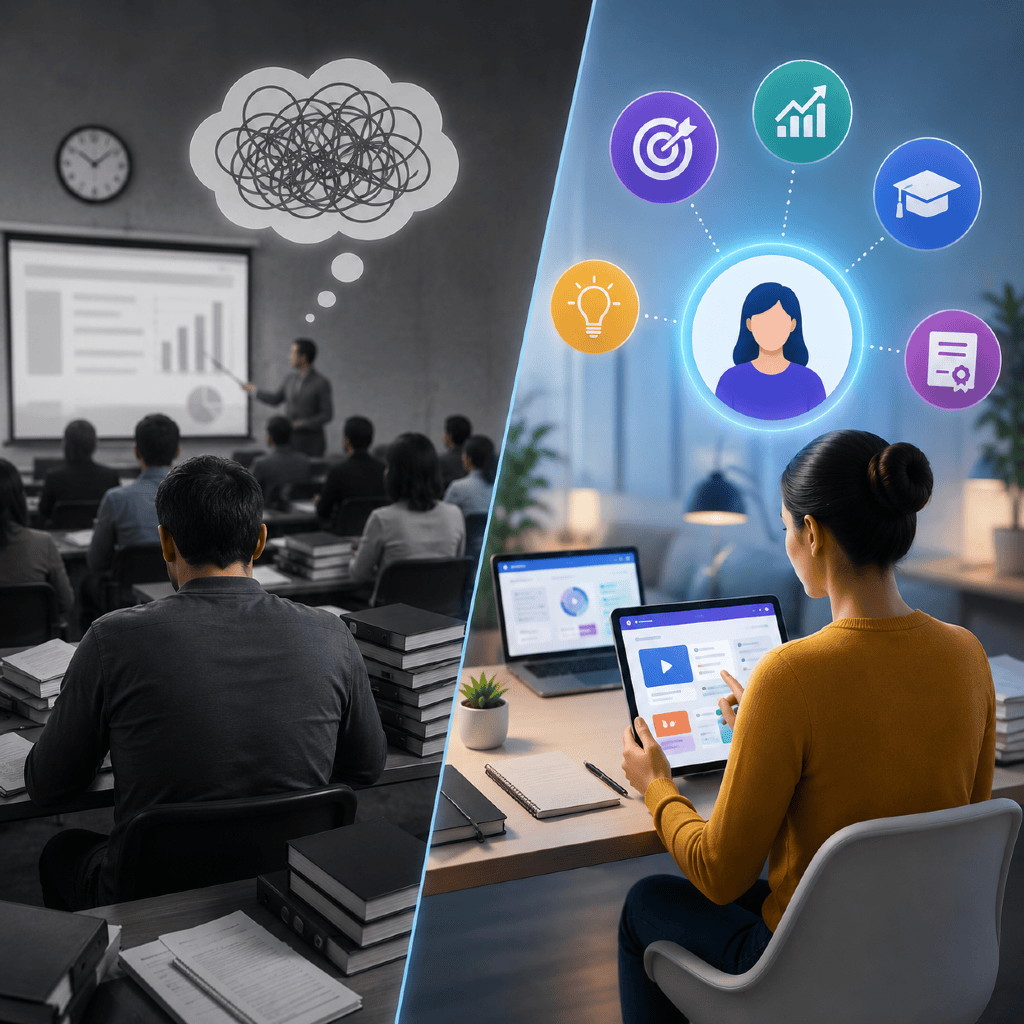
Personalized employee training is designed to address the unique strengths, weaknesses, and aspirations of each employee. Instead of a uniform curriculum for everyone, this approach tailors content, pace, and delivery style to individual needs. Core principles include adaptability, learner ownership, and continuous feedback. Technology such as learning management systems and data analytics often support these programs, but personalization also happens through skills assessments, mentoring, and one-on-one coaching.
Examples in modern workplaces
In practice, you might encounter onboarding modules that adapt to a new hire’s previous experience, or leadership workshops adjusted for different management backgrounds. Some teams use microlearning modules—short, focused lessons that can be combined based on the learner’s role or project requirements. Others provide mentorship structures where goals and feedback are uniquely customized to the individual, rather than following a preset track.
How Do Traditional Training Methods Work?
Common formats and approaches
Traditional training methods generally follow a standardized format. Examples include classroom-based workshops, scheduled seminars, and printed materials distributed organization-wide. Content is typically delivered in group settings at fixed intervals. Leaders and HR facilitators often use lecture-style presentations, group exercises, and handouts to share information and reinforce skills.
Typical scenarios for use
Traditional methods work well for compliance training, onboarding large groups, and introducing company-wide initiatives. They ensure all employees receive the same foundational knowledge—ideal when consistency and regulatory adherence are priorities. Organizations with limited digital resources, or those seeking to build camaraderie through in-person experiences, often rely on these tried-and-true approaches.
What Are the Main Differences?
Flexibility and adaptability
Personalized training provides flexibility to adapt to the learner’s pace, style, and goals. You can address unique skill gaps and respond to changing job roles more swiftly. In contrast, traditional methods offer predictability but may lack the same agility—content updates or curriculum changes can be slow to implement and less responsive to individual needs.
Cost and scalability
Traditional training can be more cost-effective when onboarding large groups, since the same resources serve many employees at once. However, it may become less efficient as organizational needs diversify. Personalized training, while potentially more resource-intensive upfront—due to the need for assessments, technology, or expert facilitators—can scale effectively with the right digital systems or modular content, targeting specific learners without redundant coverage.
Learning outcomes compared
Personalized approaches generally support deeper engagement and retention, as training aligns with each employee’s interests and current knowledge. You may see learners apply skills more quickly and confidently. Traditional methods achieve broad baseline competency and are effective for delivering core information consistently, but risk disengagement if the material is too generic or repetitive for experienced staff.
Myths About Personalized Training: True or False?
Is it always digital?
False. While technology often powers personalized learning, not all individualized approaches are digital. Managers can personalize learning through mentorship, coaching, or custom-built projects—none of which require sophisticated tech platforms.
Does it require large budgets?
False. The perception that personalized training is expensive often relates to initial setup or software costs. However, many organizations start small by customizing existing content, leveraging internal mentors, or blending new learning paths into current offerings.
Is it suitable for every role?
Partially true. Most roles—especially those involving complex problem-solving or leadership—benefit from tailored development. However, positions with highly standardized tasks may require less personalization, focusing instead on universal safety or compliance information. The optimal level of customization depends on job complexity and team structure.
Does Personalized Training Really Improve Results?
Impact on engagement and retention
Numerous studies and industry reports indicate that employees who participate in personalized learning are more engaged and show higher retention rates. When you feel training is relevant and respects your existing skills, you’re more likely to participate actively and apply new knowledge on the job.
Considerations for measuring success
Success isn’t guaranteed by personalization alone—it’s measured by improvements in skills application, job performance, employee feedback, and business outcomes. Clear objectives, regular evaluations, and feedback loops are essential, regardless of the learning model. Metrics might include completion rates, post-training assessments, or on-the-job behavioral changes.
Potential Drawbacks and Challenges
Implementation barriers
Personalized training requires thoughtful planning. Common challenges include integrating new technology, obtaining leader support, and ensuring content quality. Smaller businesses may feel resource constraints more acutely. Without a strong foundation, programs can fragment or fail to scale.
Balancing consistency and customization
Over-customization risks losing the shared understanding critical in team settings. The challenge is to balance universal standards with tailored development so everyone receives baseline knowledge while pursuing customized growth. Practical solutions include core modules paired with optional learning extensions, or mentorship combined with standardized checkpoints.
Which Approach Fits Your Organization?
Questions for leaders to consider
To make the right choice, ask yourself: What are our most pressing skill gaps? Are individual or group outcomes more important for this initiative? What resources (time, technology, people) are available? How fast do roles and job requirements change within your teams? Honest answers will clarify your optimal approach—or help you blend strategies.
Combining methods for best results
Many organizations find success integrating personalized and traditional methods. For example, use standardized onboarding to ensure foundational knowledge, then build in ongoing, individualized coaching or digital learning modules for advanced growth. This blended approach delivers consistency while nurturing each employee’s potential.