
Key Takeaways:
- Effective management practices and open communication are essential for fostering a high-performing team.
- Investing in employee development and diversity training can significantly enhance overall workplace productivity.
In today’s fast-paced business environment, the importance of building strong workplace relationships cannot be understated. A collaborative and positive work atmosphere directly correlates with enhanced productivity and job satisfaction. Managers play a critical role in fostering these relationships; however, they often face challenges that can hinder progress.
To understand how managers can cultivate relationships that boost team performance, we must first explore the impact that workplace relationships have on productivity. Research has shown that employees who have a good rapport with their colleagues tend to perform better. Relationships based on trust and respect lead to open communication, creativity, and problem-solving abilities. Therefore, it is essential for managers to implement strategies that foster these relationships.
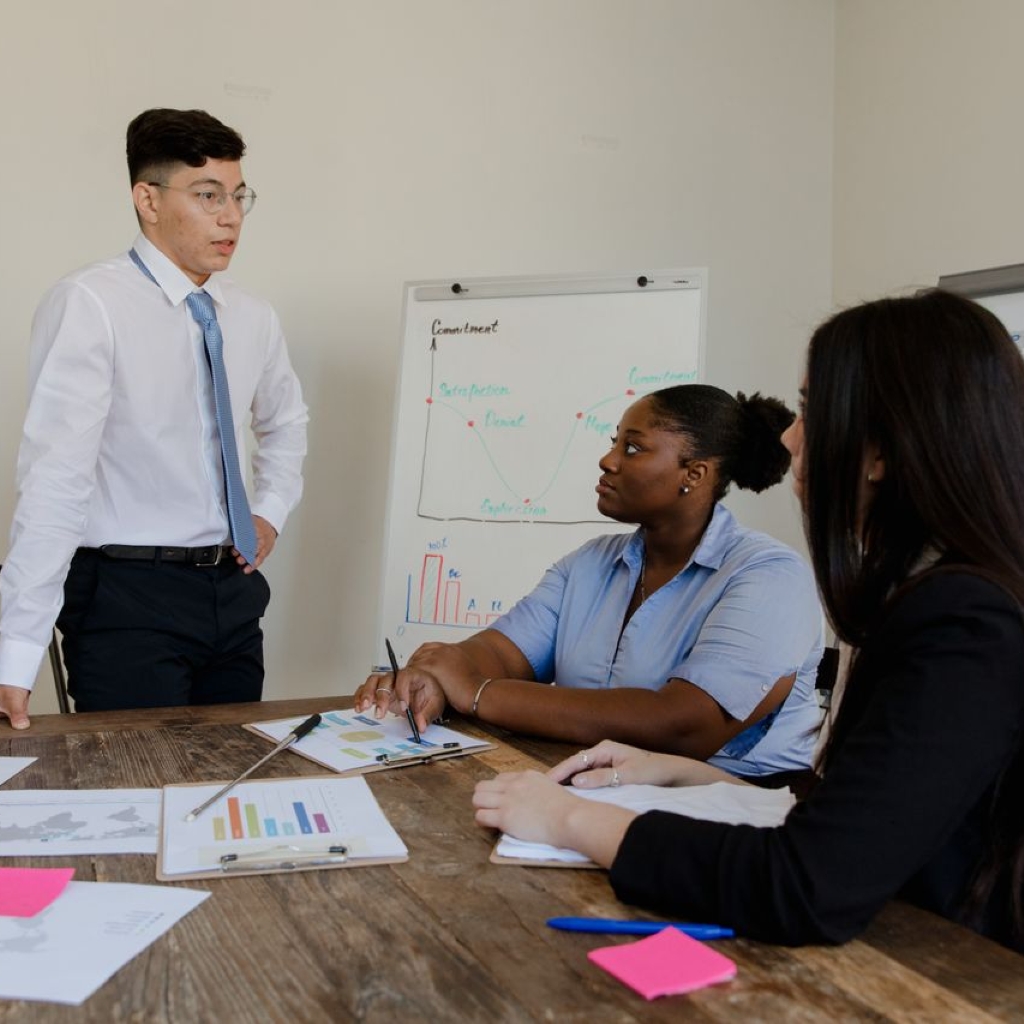
One effective way to build workplace relationships is through regular team-building activities. These activities don’t have to be elaborate or cost-intensive. Simple icebreakers at the beginning of meetings can facilitate introductions and establish a friendly environment. For instance, starting a meeting by asking team members to share a recent personal or professional achievement can provide insight into their backgrounds and encourage camaraderie.
How do Management Styles Affect Team Dynamics?
An essential aspect of relationship building in the workplace is understanding different management styles. Depending on the managerial approach, team dynamics can shift significantly. For instance, an authoritative style may lead to compliance but could stifle creativity and input from team members. In contrast, a democratic management style encourages collaboration and open exchange of ideas, fostering a sense of ownership among team members. It’s important for managers to recognize their style and adapt when necessary to create a more inclusive environment.
Moreover, managers must be aware of their communication approaches. Transparent and honest communication lays the groundwork for strong relationships. For example, when a manager openly shares organizational goals and challenges, it invites employees to participate in discussions, contributing ideas and solutions. This inclusion fosters a sense of belonging and empowers employees, making them feel valued and respected.
What Strategies Can Managers Implement to Enhance Employee Relationships?
To strengthen workplace relationships further, managers can adopt several strategies:
-
Regular Check-Ins: Scheduled one-on-ones or regular feedback sessions can help mitigate misunderstandings and align goals. These sessions provide employees with opportunities to voice concerns, seek clarification, and build stronger ties with their managers.
-
Recognition and Appreciation: Publicly recognizing employee contributions boosts morale. A simple “thank you” or highlighting achievements during team meetings cultivates a positive culture, encouraging others to strive for excellence.
-
Encouraging Collaboration: Creating cross-functional teams for projects encourages interactions among employees from different departments. This not only broadens perspectives but also strengthens interdepartmental relationships, leading to better communication and cooperation across the organization.
-
Providing Support: Managers should be approachable and supportive. Understanding employees’ personal needs, whether related to workload or personal challenges, fosters loyalty and respect. When employees know their managers care about their well-being, they are more likely to invest in their work.
-
Training Programs: Hosting training workshops focused on interpersonal skills, conflict resolution, and collaboration helps strengthen relationships. Employees equipped with these skills are better prepared to handle differences and work together effectively.
Emphasizing Workplace Diversity
In a diverse workplace, relationship-building becomes even more critical. Managers must recognize cultural differences and work towards creating an inclusive environment where all voices are heard. Implementing diversity training programs not only promotes understanding but also enhances overall team cohesion. Employees learn to appreciate each other’s perspectives, which fosters healthier relationships and nurtures collaboration.
Balancing Work and Personal Connections
Establishing relationships at work doesn’t mean that personal boundaries should be overlooked. Managers should encourage friendships while also establishing a professional tone in the workplace. Encouraging work-life balance allows employees to feel fulfilled beyond their job responsibilities. When employees have the freedom to express themselves and maintain their individuality, it can enhance their overall productivity and engagement.
In conclusion, the art of building workplace relationships significantly contributes to overall productivity and team success. By adopting varied management styles, actively engaging with employees, and fostering an inclusive environment, managers can create a culture that encourages collaboration, creativity, and innovation. It is imperative that today’s leaders recognize the value of interpersonal relationships and take actionable steps towards fostering a more effective and enjoyable workplace. With the right strategies in place, managers can enhance not only team dynamics but also pave the way for lasting business success.