Key Takeaways
- Trust-building exercises foster stronger collaboration and psychological comfort within teams.
- Leadership trends emphasize ongoing reflection, recognition, and agile approaches to building team trust.
Did you know that teams with high trust report much greater productivity? Building trust isn’t automatic—it requires focused effort, adaptable strategies, and leadership that encourages openness. Below, you’ll find a step-by-step exploration of practical trust-building exercises for modern teams, along with leadership insights shaping team dynamics in 2026.
What Is Trust in Team Settings?
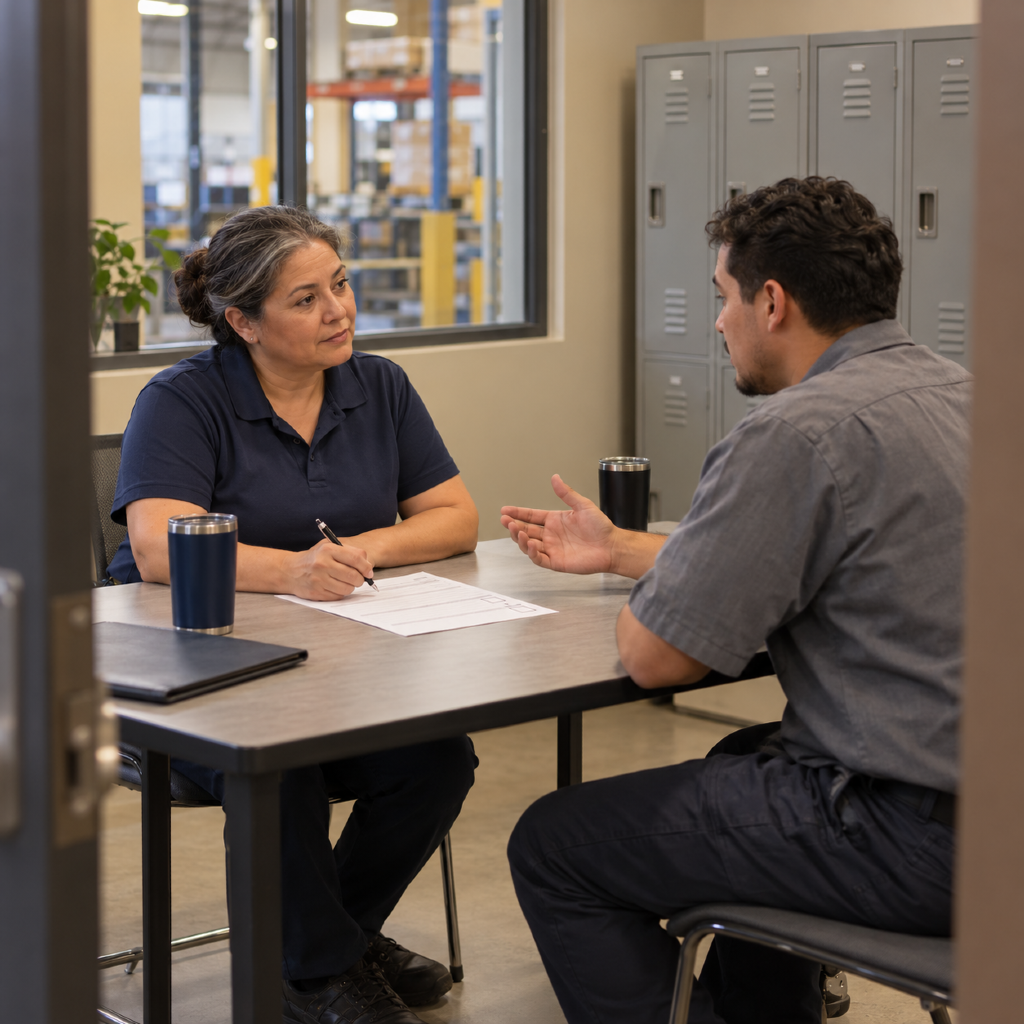
Trust is the foundation of effective teamwork. Within teams, it refers to your confidence in colleagues’ reliability, intentions, and capacity to act in the group’s best interest. High trust reduces friction, supports collaboration, and empowers team members to share ideas openly.
Types of Workplace Trust
Team trust can manifest in several key forms:
- Interpersonal trust: You believe your teammates will support, respect, and communicate honestly.
- Competence-based trust: Confidence that team members have the skills to fulfill their roles.
- Organizational trust: Faith that leadership and structures support fairness and transparency.
Common Barriers to Trust
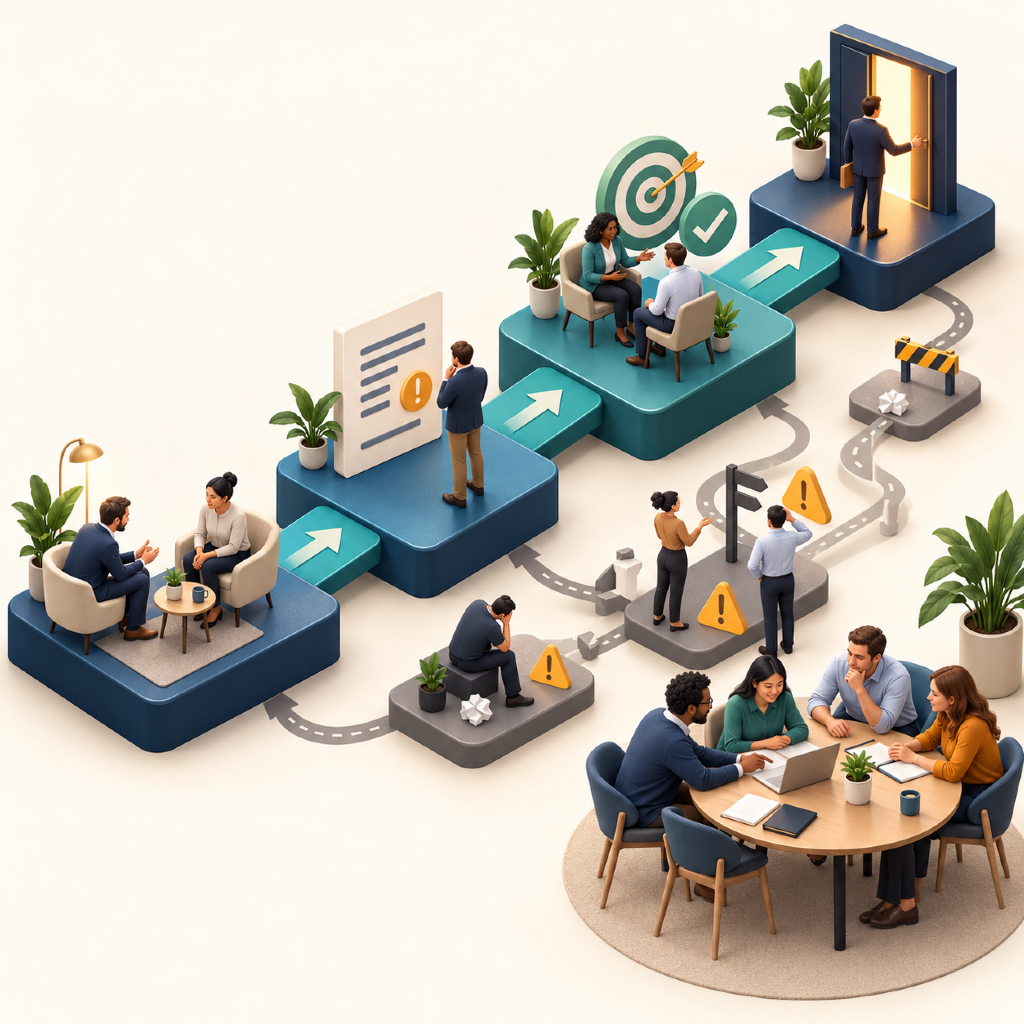
Despite its importance, building trust isn’t always easy. Common obstacles include:
- Poor communication or misinterpretation of intent
- Lack of follow-through on commitments
- Inconsistent recognition of efforts or achievements
- Unaddressed conflicts, which may erode rapport over time
Why Focus on Team Trust in 2026?
As workplace models evolve, trust becomes even more pivotal. The shift toward hybrid, virtual, and project-based teams means you need adaptable strategies to foster strong connections.
Trends Shaping Team Dynamics
Key trends impacting team trust include:
- Increased remote collaboration demanding intentional relationship-building
- Emphasis on emotional intelligence and psychological safety
- Greater transparency in decision-making and team operations
Emerging Leadership Expectations
Modern leaders are now expected to:
- Facilitate inclusive, open discussions
- Regularly seek and act on feedback
- Prioritize well-being alongside productivity
- Lead by example in trust-building behaviors
How Do Trust-Building Exercises Work?
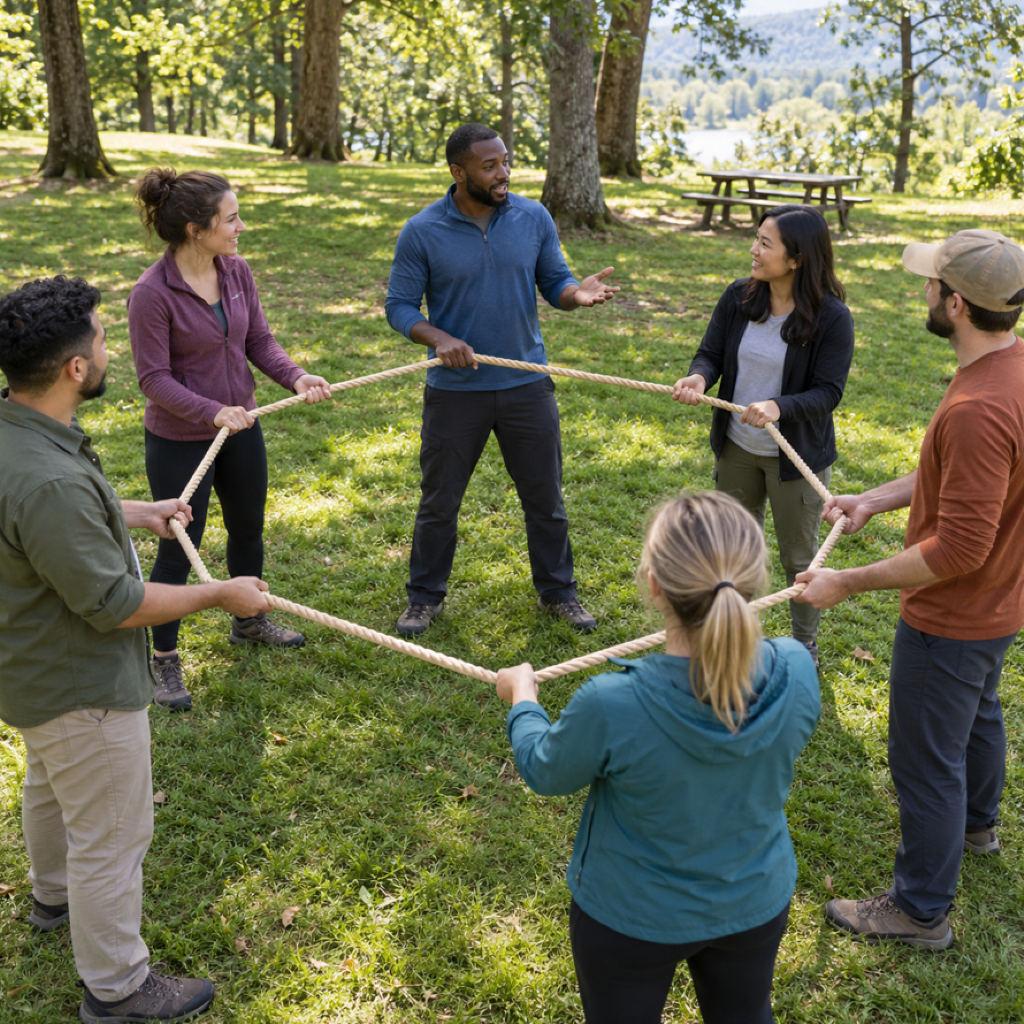
Structured trust-building exercises let you safely explore vulnerabilities, understand individual motivations, and strengthen collaborative habits among team members.
Principles Behind These Methods
Effective exercises are built around:
- Voluntary participation for genuine engagement
- Clear objectives, whether sharing stories or solving problems
- Psychological safety, ensuring feedback remains respectful
- Reflection, giving participants space to internalize lessons
Realistic Outcomes and Considerations
While these exercises can spark change, outcomes will vary with team context and openness. Benefits might include improved morale, better engagement, and faster conflict resolution—but no single exercise guarantees transformation. Adjust for your team’s needs and cultural context.
Exercise 1: Personal Story Sharing
Why Sharing Matters
Encouraging team members to share personal experiences (non-work or work-related) builds empathy and reshapes assumptions. When you learn what influences colleagues’ perspectives, you relate more naturally and judge less quickly.
Tips for Making It Comfortable
- Invite volunteers rather than requiring participation
- Start with the leadership or facilitator sharing first to set the tone
- Offer prompts (“Tell us about a challenge you overcame”) and set a time limit per story
Exercise 2: Collective Problem Solving
Structuring Effective Group Challenges
Solving a hypothetical problem together lets you witness team decision-making in action. Choose a scenario unrelated to daily work for a fresh perspective. Divide teams into small groups and assign roles to ensure each voice is heard.
Lessons from Reflection
After the exercise, debrief together: What strategies worked? Where did misunderstandings emerge? This process surfaces team strengths and communication gaps without high stakes.
Exercise 3: Feedback Circles
Constructive Feedback Techniques
Feedback circles invite each member to share constructive observations about others in a structured, positive manner. Emphasize using “I” statements (e.g., “I appreciate when you…”) to promote ownership.
Navigating Sensitive Topics
Address discomfort openly: Remind your team that feedback is for growth and improvement. Set clear ground rules—critique behaviors, not personalities, and always balance positives with suggestions.
Exercise 4: Strengths Mapping
Identifying Team Talents
Start by having each participant list skills they bring to the team, or vote on each other’s perceived strengths. This transparent approach highlights under-recognized talents and makes everyone feel valued.
Building on Individual Skills
Leverage your strengths map in future projects by assigning roles based on revealed capabilities. This boosts confidence and encourages mutual support for skill development.
Exercise 5: Trust Fall Alternatives
Safer Approaches to Vulnerability
Physical trust falls can be risky or uncomfortable. Instead, use activities like sharing moments of professional vulnerability (e.g., times you needed help) or paired discussions about overcoming workplace challenges.
Cultivating Psychological Comfort
Create an environment where vulnerability isn’t penalized. Normalize admitting mistakes, asking for support, and recognizing limits.
Exercise 6: Unwritten Rules Discussion
Surfacing Team Norms
Every team has unspoken dos and don’ts. Facilitate a session to list these “unwritten rules”—from how feedback is given to when it’s okay to ask for help.
Aligning Expectations Openly
By articulating norms, you reduce misunderstandings. This dialogue ensures everyone knows what behaviors are appreciated, which can prevent conflicts before they arise.
Exercise 7: Recognition Rituals
Celebrating Small Wins Together
Small, regular recognition boosts morale and demonstrates appreciation. Try weekly check-ins where team members highlight each other’s contributions, or a rotating gratitude “shout out.”
Sustaining Motivation
Ritualizing recognition keeps motivation high and trust alive, especially in fast-paced or remote teams where organic praise may be overlooked.
Which Exercise Should You Prioritize?
Assessing Team Needs
Your team’s unique challenges should drive which exercise comes first. If communication is strained, start with story sharing or feedback circles. If roles feel unclear, prioritize strengths mapping.
Adapting for Remote or Hybrid Teams
Many exercises can be brought online with simple adjustments: Use digital whiteboards for mapping, breakout rooms for discussions, and collaboration tools for feedback and recognition. Consistency matters more than format.
Can Trust-Building Be Measured?
Indicators to Watch
Look for qualitative and quantitative signals:
- Improved meeting participation
- Fewer misunderstandings or repeated conflicts
- Higher engagement survey scores
- More proactive feedback and idea-sharing
Approaches for Ongoing Evaluation
Regular check-ins, pulse surveys, and informal feedback loops can help you measure progress. Remember—trust levels can ebb and flow; treat measurement as an ongoing process, not a one-time effort.
Key Takeaways for Leaders Today
Summary of Practical Insights
Building trust isn’t a one-off event–it’s an ongoing leadership responsibility. Practical exercises like story sharing, strengths mapping, and feedback circles offer flexible, inclusive ways to nurture psychological safety and cohesive teamwork.
Respecting Diverse Team Dynamics
What works for one group might not fit another. Stay attentive to diversity, individual comfort levels, and the realities of remote work. Ultimately, the most successful teams are those where trust is intentionally built and consistently sustained.