Key Takeaways
- Trust-building exercises enhance team collaboration, morale, and overall performance.
- Adapting exercises to your team’s needs and regularly reinforcing trust leads to lasting results.
Building trust within a team doesn’t happen overnight, but it’s essential if you want a group that collaborates well and performs consistently. With the right trust-building exercises, you can transform dynamics, open communication, and create an environment where everyone feels valued—whether your team is onsite or working remotely.
What Are Trust-Building Exercises?
Defining trust in team settings
Trust in a team environment means members believe in each other’s integrity, reliability, and commitment to shared goals. When trust is present, you can share ideas freely, express concerns, and depend on one another without fear of judgment or hidden agendas. This foundation supports open communication and risk-taking, which are both essential for problem-solving and innovation.
Common types of trust-building activities
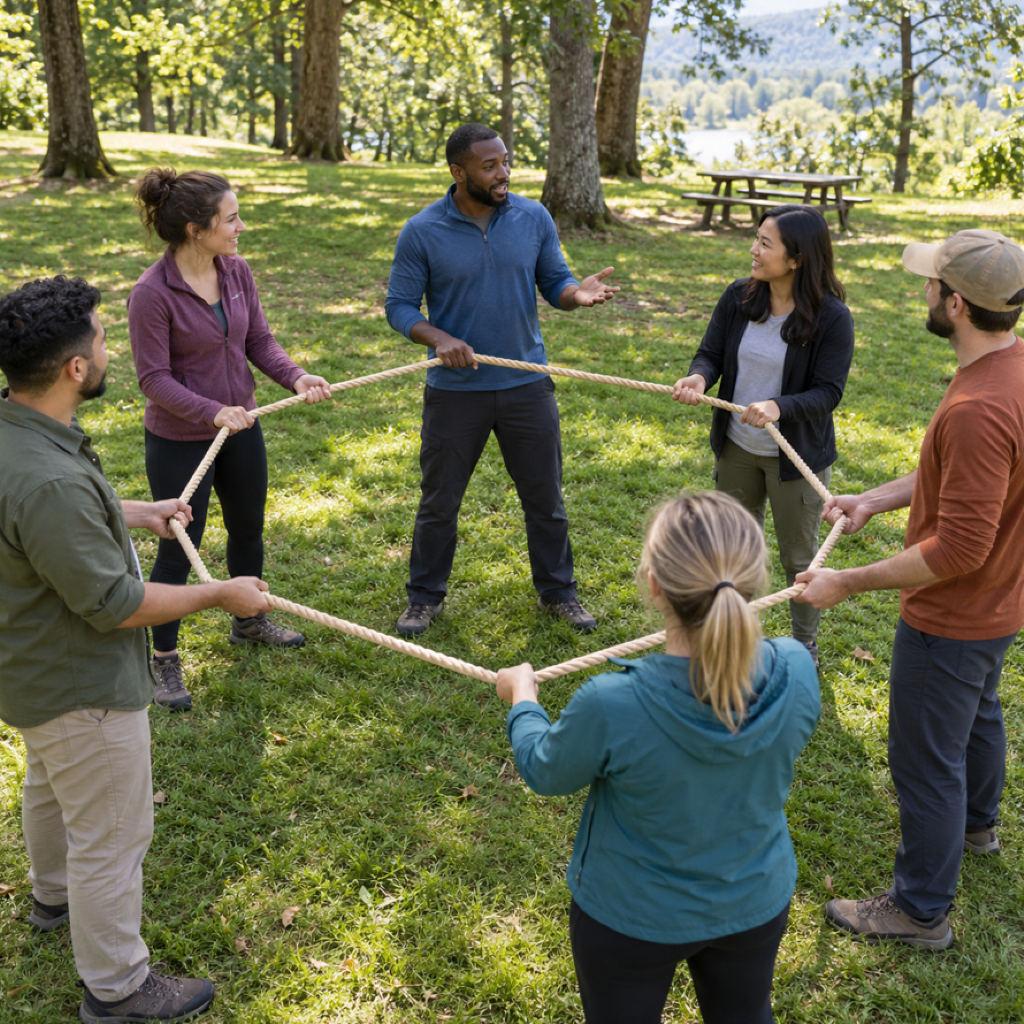
Trust-building activities include both structured and informal practices that encourage openness, cooperation, and empathy. Popular formats involve icebreakers, collaborative problem-solving tasks, personal storytelling, and feedback circles. Activities like the “Two Truths and a Lie” game, blindfolded partner walks, or open roundtable discussions are common starting points, but many more options suit remote or in-person contexts.
Why Is Team Trust Important?
Impact on collaboration and morale
Strong team trust directly impacts how well individuals work together. When people trust each other, barriers drop: communication becomes more transparent, collaboration flows more smoothly, and people feel safe offering new ideas. This sense of safety elevates morale and encourages everyone to contribute their strengths.
Trust and workplace performance
Teams with high trust don’t just get along better—they perform better. Trust lays the groundwork for accountability, mutual support, and resilience in the face of challenges. Numerous studies link higher trust to improved job satisfaction, lower turnover, and more effective goal achievement.
When Should You Use These Exercises?
Onboarding new team members
Trust-building is especially important when new team members join. Early exercises help break down initial barriers and set the tone for a collaborative culture from day one. These activities help newcomers feel included and understand team norms.
During team transitions or changes
Significant shifts—such as leadership changes, restructures, or new projects—can unsettle existing trust. Using specific trust-focused activities during these periods supports smoother transitions and ensures team members stay connected.
What You’ll Need
Space and materials checklist
Depending on the activities you choose, you may need:
- A comfortable physical or virtual meeting space
- Basic materials like pens, paper, or sticky notes
- Digital tools for remote activities (such as breakout rooms, shared docs, or polling platforms)
- Time set aside without distractions
Preparation tips for facilitators
As a facilitator, set clear objectives and communicate the purpose of the activities. Ensure the environment is safe and inclusive so participants feel comfortable engaging. Consider group size and select exercises that fit your context. For virtual teams, test any technology ahead of time.
Step 1: Assess Team Trust Levels
Observing team dynamics
Begin by thoughtfully observing how your team interacts. Are discussions open and lively, or restrained and hesitant? Do members support each other, or are there visible silos? Note patterns in communication, participation, and the willingness to take risks.
Anonymous feedback collection
To gain deeper insights, consider collecting anonymous feedback through a brief survey. Ask questions about comfort sharing opinions, perceptions of fairness, and confidence in team support. This data can help identify areas where trust is strong—and where it may need reinforcement.
Step 2: Select Appropriate Exercises
Matching activities to team needs
No universal exercise fits every team. Choose activities that align with your group’s unique needs. If your team struggles with communication, opt for exercises focused on active listening or candid feedback. For teams facing trust issues, consider sharing stories of past team successes and challenges.
Options for remote and onsite teams
For onsite teams, interactive physical activities (like trust falls or creative problem-solving in small groups) can be effective. With remote teams, try virtual icebreakers, video-based storytelling rounds, or collaborative online games to foster connection and trust across distances.
Step 3: Facilitate the Activities
Guiding discussions neutrally
Your role as facilitator is to steer the activity with neutrality. Avoid expressing personal bias or prematurely judging any contributions. Instead, encourage an even playing field where all voices are heard and respected.
Encouraging inclusive participation
Set clear guidelines for respectful interaction and encourage everyone to participate—even if it’s just sharing an observation. Building trust relies on inclusivity, so check in with quieter members and create space for their input.
Step 4: Debrief and Gather Feedback
Reflecting as a group
After completing an exercise, guide your team through a structured debrief. Ask open-ended questions like, “What did we learn?” or “How did you feel participating?” This phase helps solidify learning and connect the exercise to everyday work situations.
How to measure effectiveness
Follow up with another round of anonymous feedback to gauge shifts in trust and openness. Track whether team discussions become more candid and whether mutual support has improved over time.
Step 5: Reinforce Trust Over Time
Integrating trust practices into routines
Make trust-building a regular part of your team’s routine. Short check-in rounds at meetings, peer recognition moments, and open feedback sessions keep trust active.
Reviewing outcomes and adjusting approaches
Continually review your team’s progress and revisit exercises as needed. Be receptive to feedback and adjust your approach to best fit your team’s evolving culture and goals.
Can Trust-Building Work for Remote Teams?
Virtual exercise ideas
Absolutely—trust-building is just as important for distributed teams. Try virtual coffee chats, shared team rituals, or collaborative digital whiteboard sessions. Online platforms can facilitate group quizzes, scenario discussions, or role-swapping exercises.
Challenges with distributed teams
Remote environments can make trust-building harder because they lack nonverbal cues and informal interactions. Overcome this by scheduling regular video meetings, setting clear communication norms, and using asynchronous trust-building prompts to maintain connection.