Key Takeaways
-
Leadership mastery grows from consistent daily habits, not one-time courses or credentials.
-
Repetition, reflection, and behavioral consistency shape leadership identity over time.
The Real Work of Leadership Happens Between Meetings
Leadership courses can be inspiring. They give frameworks, vocabulary, and moments of clarity. But the kind of leadership that actually transforms teams and culture is built quietly, in everyday decisions and micro-behaviors that happen long after the workshop ends.
You become a better leader not by attending sessions, but by acting with intention daily. The feedback you respond to, the conflicts you handle, and the tone you set all compound into credibility and trust. In 2025, when leadership development budgets are higher than ever, it’s easy to mistake structured learning for actual growth. Yet, the most consistent differentiator between leaders who evolve and those who plateau is their ability to convert learning into routine.
Why Daily Habits Outperform One-Time Courses
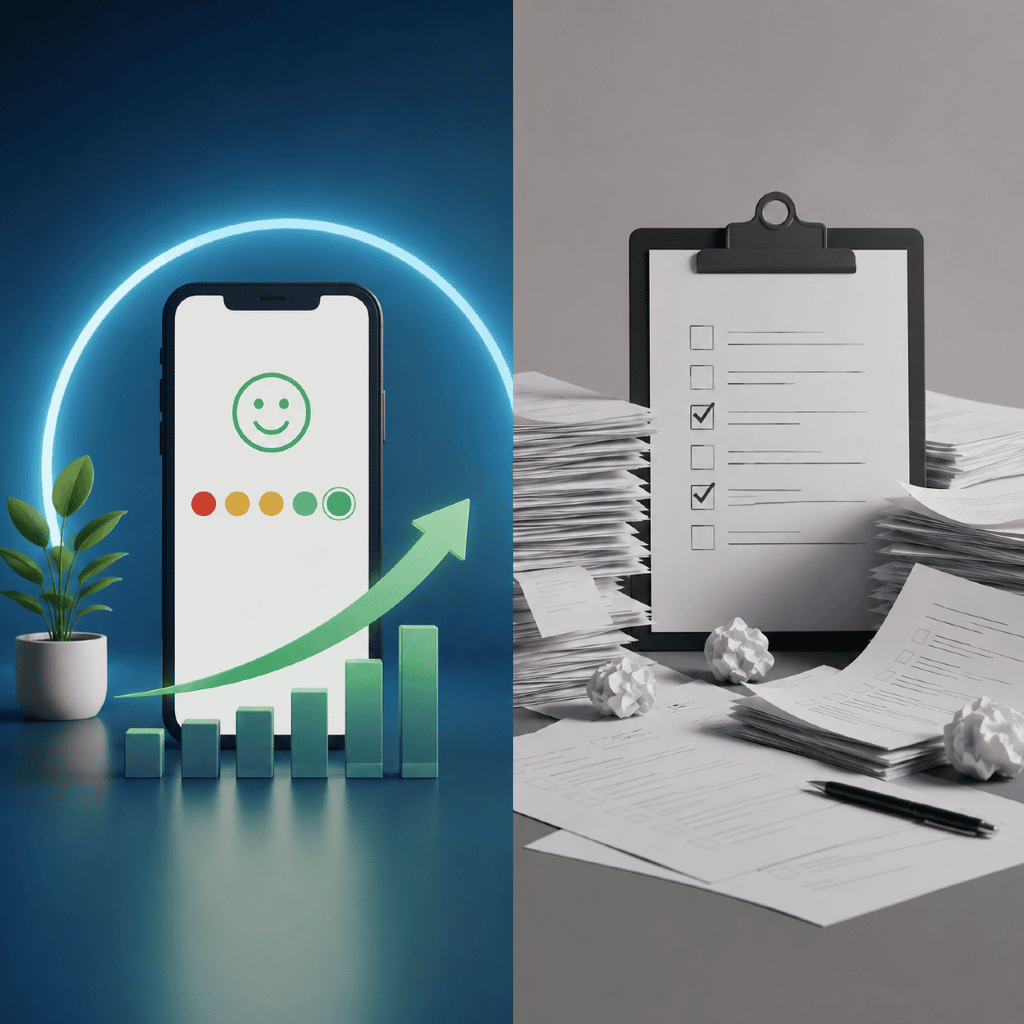
A course can teach you what good leadership looks like. Habits teach you how to live it. Research in behavioral psychology has long shown that skill retention and emotional intelligence are products of repetition and feedback loops, not information exposure.
Learning accelerates when it’s integrated into daily patterns. Every time you:
-
Pause before responding in a tense moment
-
Ask one more question instead of asserting a conclusion
-
Review your day for communication gaps or missed opportunities
You are reinforcing neural pathways associated with empathy, awareness, and discipline. Over time, these repetitions form your leadership signature—how people experience you when you’re not consciously performing a role.
Habit 1: Start Each Day with Context, Not Control
Strong leaders begin their mornings not by commanding action, but by clarifying direction. Rather than starting with tasks, you start with priorities. This could be a simple 5-minute review of your team’s goals, current pressures, and potential blockers.
You are building a habit of context-based management—ensuring that your actions and communications align with the bigger picture. When practiced consistently, this shapes how you delegate, plan meetings, and respond to changes throughout the day.
By week three of daily context-setting, you’ll likely notice fewer communication gaps. By month two, your team will begin anticipating expectations more accurately. That’s the compounding effect of a small, deliberate practice.
Habit 2: Reflect Before You React
In a year like 2025, where hybrid work has intensified the speed of communication, leaders often feel compelled to respond immediately. But leadership presence grows through reflection, not reaction.
Build a 30-second pause into your day before answering emotionally charged messages or giving feedback. This short interval helps regulate emotional bias and supports more strategic thinking. The consistency of this pause over months reshapes your leadership temperament. You’ll find that fewer conversations escalate, and your team begins mirroring your composure.
Courses teach you conflict resolution techniques, but habitually managing your emotional cadence trains your instincts—a far deeper level of mastery.
Habit 3: Acknowledge Progress Daily, Even If Informally
Recognition fuels morale, but the timing of it defines its power. Leaders who wait for performance reviews or official ceremonies miss hundreds of opportunities for momentum.
Make it a daily discipline to notice one thing done well by someone on your team. Send a quick message, say it aloud in a meeting, or write it down privately. The form doesn’t matter; the frequency does.
After about 60 days, this habit rewires how you perceive performance. You start seeing strengths before flaws, and that mental shift affects how you coach, delegate, and resolve tension. The ripple effect on team engagement is measurable within a single quarter.
Habit 4: Ask for Feedback Before It’s Offered
Great leaders don’t just give feedback; they request it. By proactively seeking perspective, you create a culture of transparency. Schedule a recurring reminder—perhaps every Friday—to ask one person on your team what you could have done differently that week.
This five-minute routine signals humility, accessibility, and a genuine growth mindset. Within 90 days, people stop filtering their responses. You’ll begin receiving unpolished insights that reveal blind spots no leadership seminar could uncover.
In time, the feedback loop becomes part of your leadership rhythm, reducing the need for performance interventions later.
Habit 5: Commit to Learning in Micro-Doses
Instead of large time blocks for courses, integrate learning in five-minute segments daily. Read a short article, reflect on a leadership decision you made, or jot down an observation from a meeting.
The point isn’t volume but continuity. After six months of micro-learning, you’ll have accumulated over 60 hours of insight—but more importantly, you’ll have internalized it because it lived inside your workdays, not apart from them.
In 2025, when leadership resources are abundant, discernment matters more than access. You don’t need more materials; you need mechanisms to turn them into muscle memory.
How to Reinforce Daily Habits Without Losing Momentum
Habits only compound if they’re anchored in structure. Here’s how you can maintain them across the year:
-
Use simple prompts. Place a sticky note on your desk that says “Pause” or “Ask first.”
-
Track progress weekly. Write one reflection sentence every Friday summarizing what worked and what didn’t.
-
Set peer accountability. Partner with another manager to share one leadership experiment per week.
-
Keep habits visible. Integrate them into team rituals—like opening meetings with a shared recognition moment.
After three months, your habits evolve from conscious effort to subconscious competence. This is where genuine transformation occurs—when your behavior aligns with your intentions without constant reminder.
Why Leadership Courses Still Matter (But Differently)
Courses have value when they serve as ignition points, not destinations. They provide reflection space, shared language, and theoretical depth. But without habits to sustain the learning, their effects fade within weeks.
View every course as a reset, not a replacement for daily work. Enroll, reflect, and then translate at least one concept into a small daily ritual. For example, if you attend a session on empathy, your translation could be spending two minutes daily asking open-ended questions during check-ins.
By bridging theory with practice, you transform knowledge into consistency—the single most powerful indicator of leadership credibility.
Sustained Growth Is a Daily Decision
True leadership development doesn’t occur on retreat days or during performance reviews. It happens in the pauses between emails, the tone used in meetings, and the small corrections made in silence.
You don’t need new frameworks as much as you need daily repetition of what you already know works. That’s how leadership turns from skill into identity.
If you’re serious about building your leadership maturity this year, start with just one daily habit from this list. Keep it visible. Share it with your team. Track it for 90 days. You’ll notice not only changes in your behavior but shifts in how people respond to you.
Leadership is not learned in bursts. It’s built in rhythms. Sign up on this website for more insights, research-based techniques, and tools that help you turn those rhythms into long-term results.