
Key Takeaways
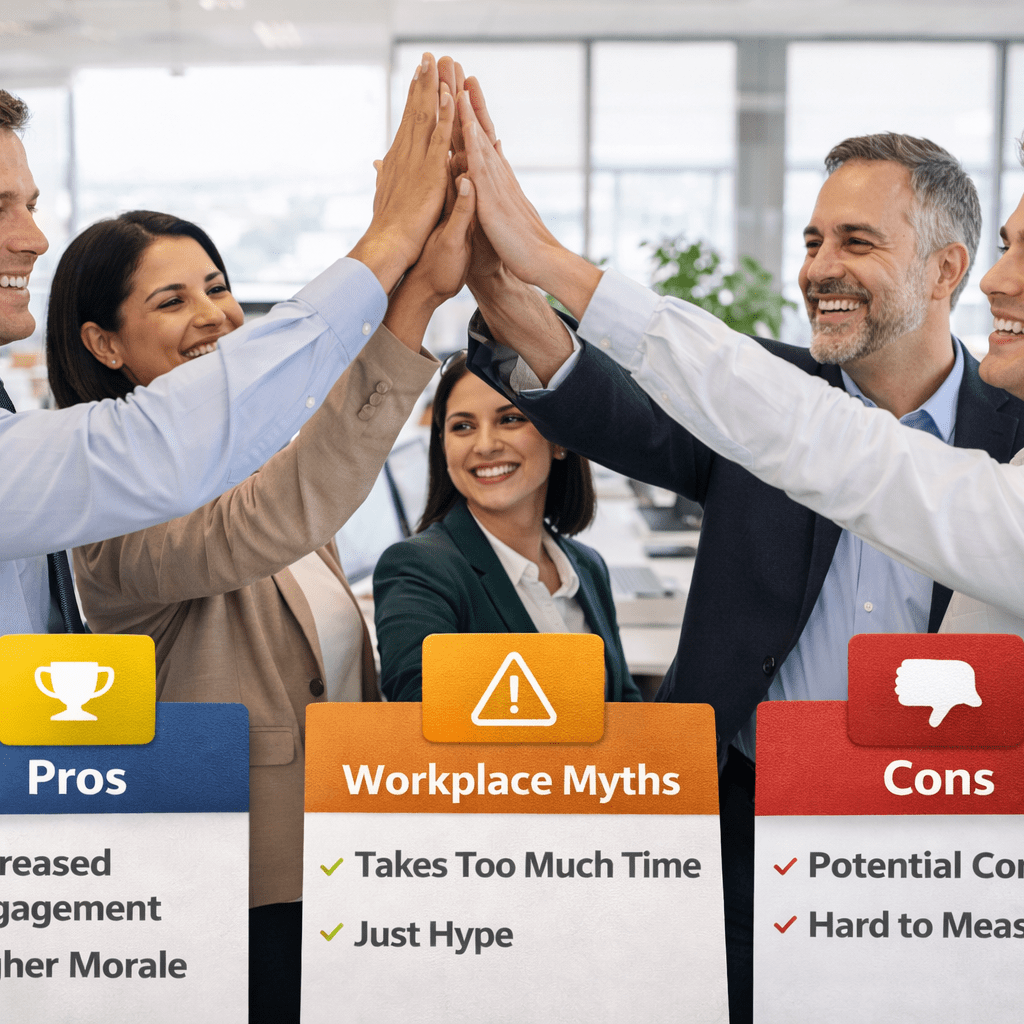
- Positive company culture improves morale, collaboration, and retention—but also comes with hidden challenges.
- Myths about culture persist; authentic trust and ethical leadership are key for sustainable, healthy workplaces.
A thriving company culture doesn’t just appear overnight. While you often hear that positive cultures generate results, it’s worth asking: what does working in one actually look and feel like? This article gives you a clear, practical view of company culture, drawing distinctions between proven benefits, common pitfalls, and popular myths.
What Is Positive Company Culture?
Defining positive workplace environments
A positive company culture is the spirit of your workplace—the daily patterns, rituals, and unwritten rules that shape how people interact. In a positive environment, employees feel respected, included, and empowered to bring their best selves to work. It is marked by open communication, mutual trust, and a sense that contributions matter.
Core elements of company culture
Positive cultures are built from several core elements: shared values, clear expectations, and a genuine commitment to ethical behavior. They thrive when leaders model transparency, teams communicate honestly, and everyone is encouraged to learn and grow. Rituals like feedback sessions, open-door policies, and team recognition can help reinforce these values.
Why Does Company Culture Matter?
Impact on employee morale
The culture of your workplace is a strong force in shaping how people feel day to day. When teams experience psychological safety and trust, they’re more likely to feel motivated and engaged. High morale leads to lower stress, higher satisfaction, and more meaningful workplace relationships.
Influence on business outcomes
Beyond individual well-being, company culture has a measurable impact on your outcomes. Businesses with positive, trust-centric cultures often see better collaboration, more creative solutions, and stronger overall performance. Clients and partners can sense when an organization runs on respect and teamwork, which can shape reputation in the wider market.
What Are Real Company Culture Examples?
Team trust practices in action
Real-world company culture shows up in how teams handle everyday challenges. For instance, regular check-ins—where everyone shares obstacles and wins—signal a culture of trust. When mistakes happen, some teams use “blameless postmortems” to review lessons learned together, rather than focusing on who was at fault. These actions foster psychological safety and encourage ongoing learning.
Transparency and leadership modeling
Transparency is another key sign of a strong company culture. Leaders who explain business decisions, share updates openly, and admit when they don’t have all the answers help model the trust they want from their teams. Open budget discussions, leadership Q&A sessions, or sharing company goals can strengthen this sense of alignment and authenticity across all levels.
What Are the Pros of Positive Culture?
Increased collaboration and trust
When employees trust one another and their leaders, they communicate more openly and take measured risks. This trust lays the foundation for better teamwork, faster problem-solving, and a willingness to support others—crucial ingredients for sustained innovation.
Improved retention and attraction
A healthy culture is a magnet for talent. People are drawn to organizations where they know they’ll be respected, challenged, and given opportunities to grow. As a result, businesses with positive cultures typically see higher retention rates, saving time and cost in recruitment while building a stable team over time.
What Are the Cons of Positive Culture?
Potential for groupthink
While positive cultures provide support, they can sometimes nurture groupthink—where teams agree too easily to avoid conflict or maintain harmony. This can slow innovation or bury important issues if challenges are not openly discussed.
Hidden challenges and boundaries
A culture focused on positivity can sometimes mask underlying problems, such as unspoken competition or unclear roles. If “getting along” becomes the only goal, real concerns might be pushed aside instead of addressed. A positive workplace needs clear boundaries and respectful feedback to stay effective.
What Myths Exist About Company Culture?
“Culture can’t be changed” myth
Some believe that company culture is too ingrained or that it will just evolve on its own. In reality, you can reshape culture intentionally through small, consistent actions—especially when leadership is committed, and the whole team reinforces new habits over time.
“Perks equal positive culture” myth
It’s easy to mistake free snacks or team outings as a sign of positive culture. While perks make daily life nicer, real culture goes deeper: it’s defined by trust, shared values, and meaningful growth opportunities. A workplace built on these elements is likely to sustain engagement long after the novelty of perks has faded.
How Can Teams Build Trust Ethically?
Practical guidelines for managers
Building trust starts with consistent, ethical behavior. As a manager, you can foster trust by setting clear expectations, respecting confidentiality, and openly recognizing both team successes and challenges. Active listening—where you genuinely consider feedback—shows your commitment to transparency and improvement.
Balancing accountability and openness
Trust doesn’t mean sacrificing standards. Strong teams balance accountability with openness; clear performance expectations paired with support help people learn and grow. Encouraging regular one-on-one meetings, honest feedback, and transparent goal-setting can keep standards high while nurturing trust.
How Do Policies Shape Culture?
Compliance and trust in practice
Well-crafted policies are a backbone for trust. Consistent guidelines around ethics, equity, and behavior show that the company is serious about fairness and accountability. These policies aren’t just formalities—they influence how safe and supported your team feels every day.
Supporting a healthy environment
Policies should be reviewed and updated to reflect changing needs and feedback from employees. When staff see their input leading to real changes—such as flexible work policies or anti-harassment measures—they feel empowered and valued, reinforcing a culture that puts people first.