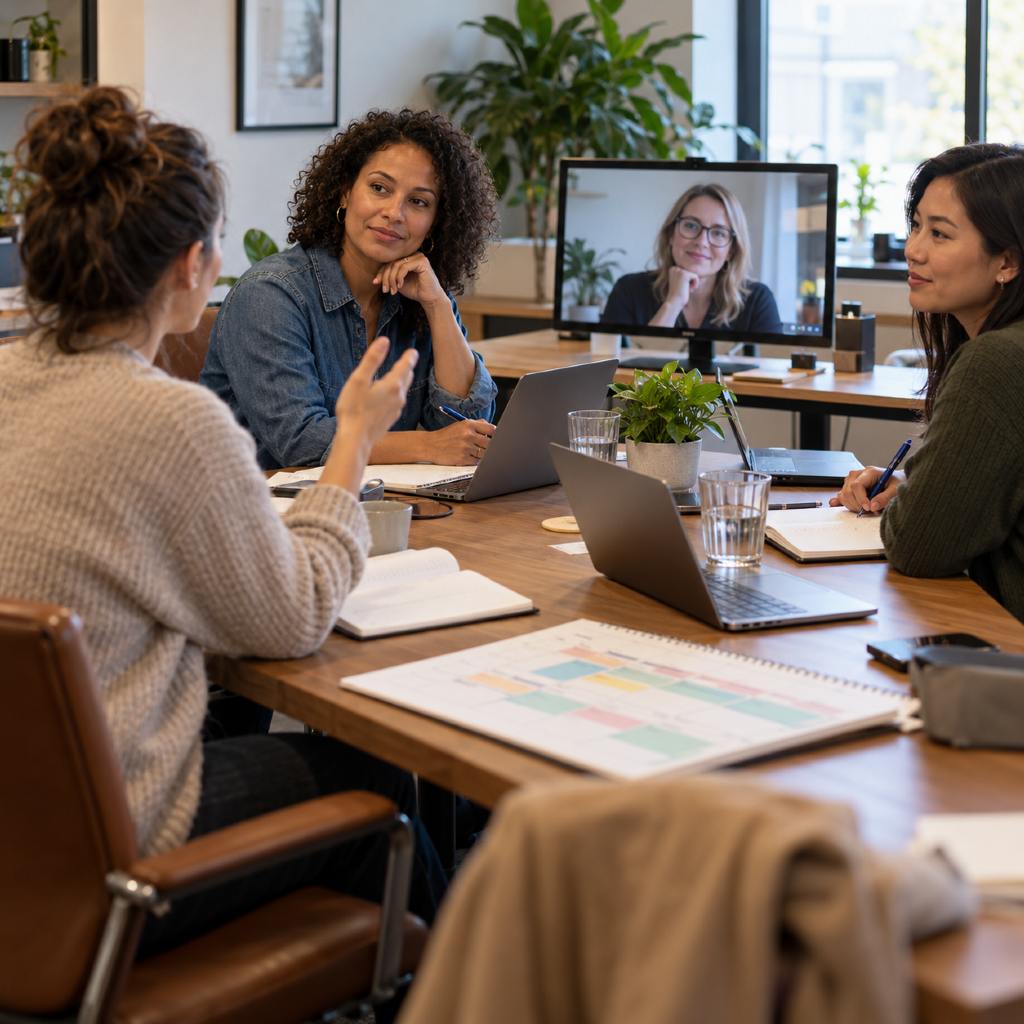
Key Takeaways
- Flexible work arrangements in 2026 emphasize adaptability, hybrid models, and employee-driven practices.
- Leaders succeed by balancing empathy, clear communication, and continuous feedback to support team well-being.
In 2026, many midsize organizations have implemented some form of flexible work policy, shaping the way teams collaborate and grow. This article walks you through the landscape of flexible arrangements, emerging trends, and the strategies leaders are using to adapt—and thrive—in today’s dynamic workplaces.
What Are Flexible Work Arrangements?
Definition and formats in 2026
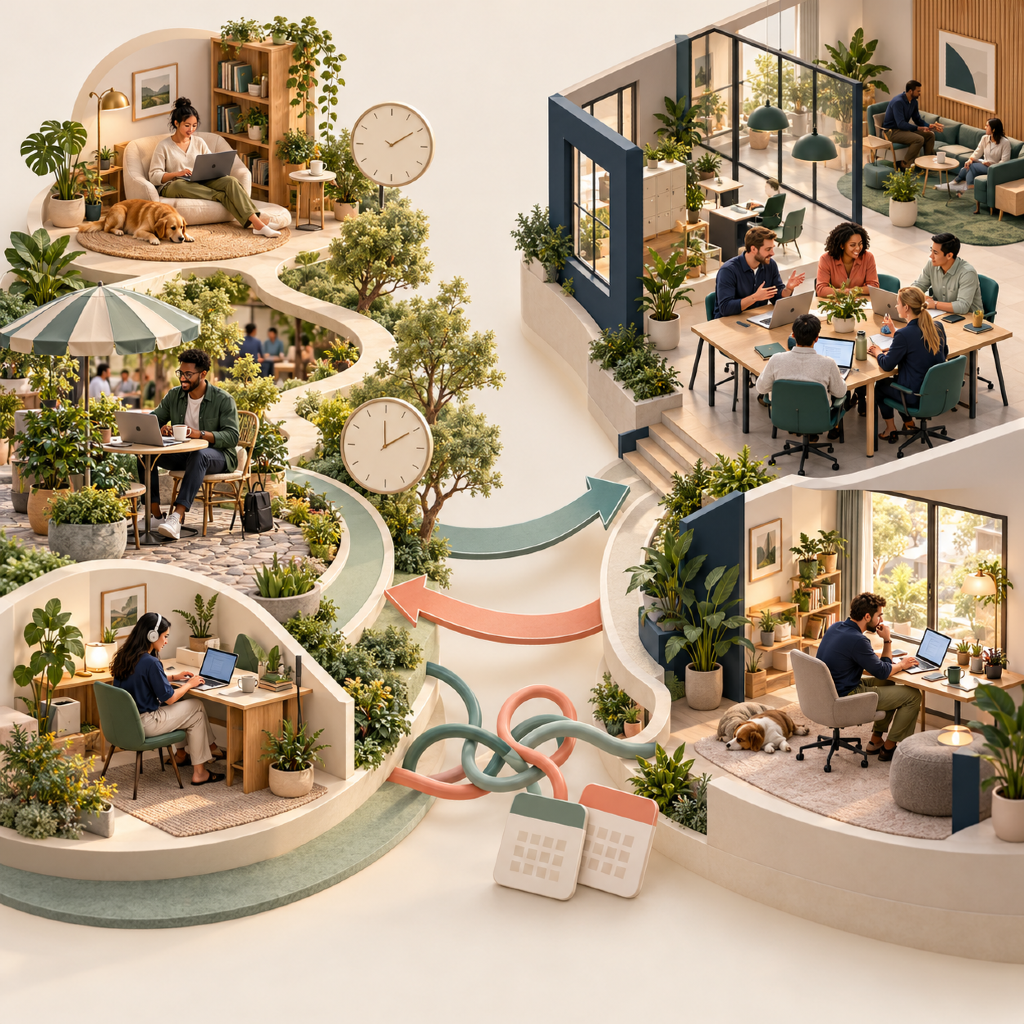
Flexible work arrangements are organizational practices that let employees adjust where, when, and how they work outside traditional nine-to-five office hours. In 2026, these formats have expanded beyond remote work to include hybrid roles (a blend of on-site and off-site responsibilities), compressed workweeks, flexible start and end times, job sharing, and even project-based assignments. Both business demands and employee preferences shape most policies, with a focus on maximizing productivity while respecting individual needs.
How flexibility impacts organizations
For organizations, flexibility can foster increased engagement, creativity, and retention. Many teams report higher job satisfaction when they have more say over schedules and environments. However, it also means rethinking workflows, communication, and performance measurement. Leaders need to stay mindful of how policy changes might impact cohesion, equity, and organizational culture.
Why Are Flexible Policies Important Now?
Adapting to workforce expectations
Today’s workforce expects options that fit diverse lifestyles and life stages. Many professionals prioritize flexibility over other benefits when considering new opportunities. Flexible policies can attract top talent and boost morale by acknowledging employees’ varied responsibilities outside the workplace.
Evolving business and societal trends
Globalization, digital tools, and shifting family dynamics have made one-size-fits-all arrangements impractical for many organizations. Societal trends—like the growing demand for better work-life balance and technology-driven collaboration—mean organizations must stay responsive to retain a competitive edge. Flexible arrangements help businesses remain agile in rapidly changing markets.
What Are the Latest Trends in 2026?
New hybrid and remote models
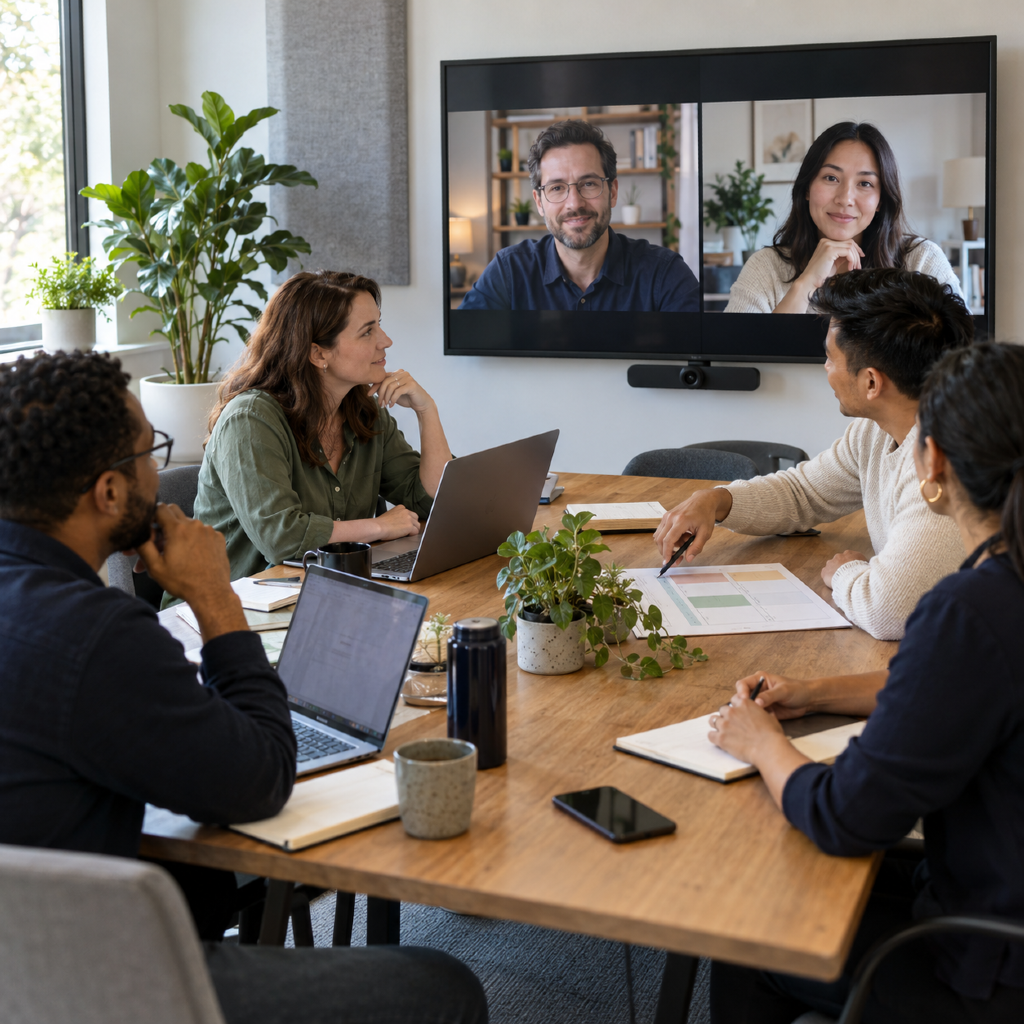
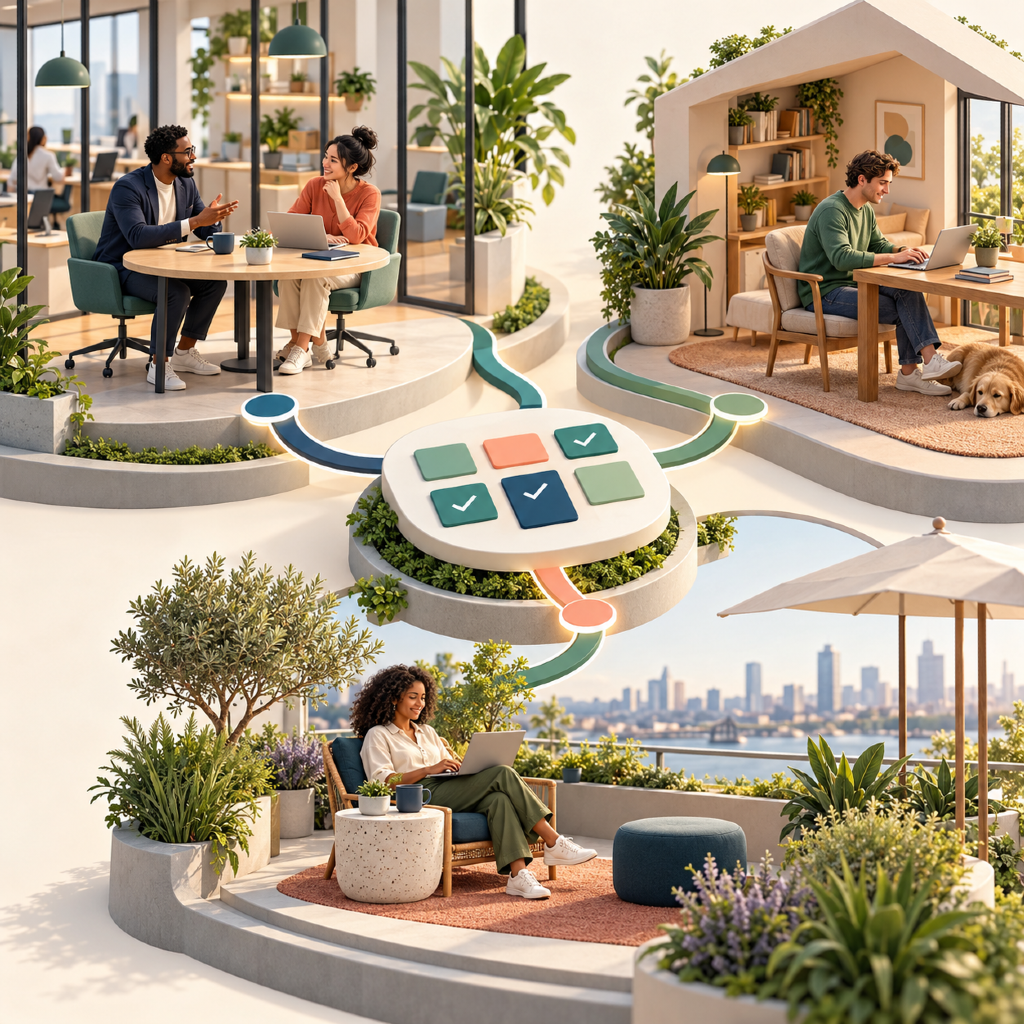
Hybrid work in 2026 is more sophisticated than ever. Many organizations use scheduling software to balance in-person collaboration with remote flexibility. You might find teams on-site two days a week with shared desk environments, while the rest of the week is remote. Asynchronous communication tools have grown in importance, enabling cross-time-zone teamwork.
Remote-first hiring—where employees can work from any location—is also more common, especially in roles that don’t require physical presence. Organizations now invest in ergonomic home office equipment, digital wellness programs, and even virtual reality spaces for team meetings.
Popular employee-driven initiatives
Employees are taking a more active role in shaping flexibility. Common initiatives include self-scheduling for shifts, peer-driven project allocation, and on-demand learning sessions. Some companies crowdsource input on policy changes or run regular “pulse” surveys to refine flexible offerings. These initiatives help ensure arrangements feel inclusive and responsive.
Key Leadership Challenges This Year
Maintaining team cohesion remotely
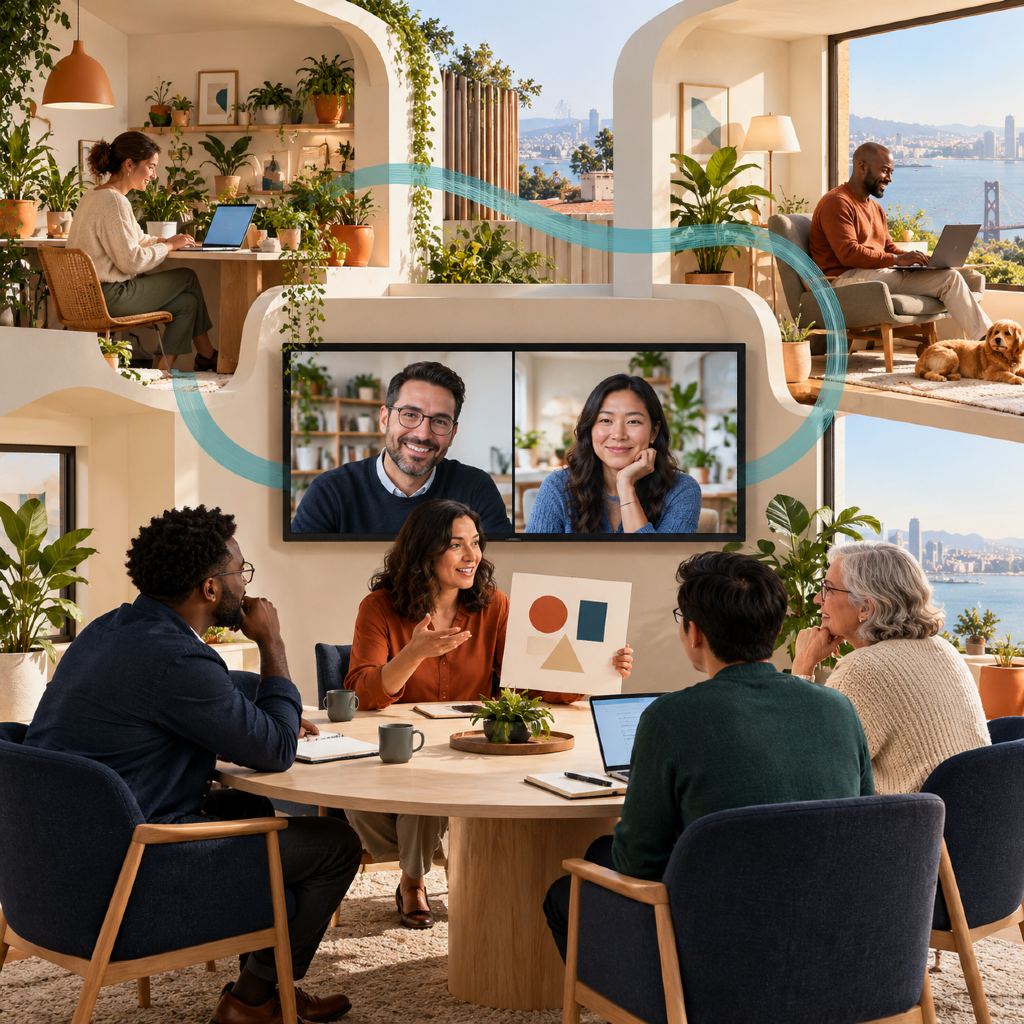
Maintaining connection is one of the toughest challenges with dispersed teams. Leaders must actively foster belonging through regular check-ins, clear team goals, and opportunities for informal interaction. Building trust and aligning around shared values remains essential in remote or hybrid settings.
Ensuring equitable opportunities
Remote work can unintentionally create disparities—such as fewer networking chances or visibility for off-site staff. Leaders must ensure all team members have fair access to projects, development paths, and recognition. Rotating meeting times, equal access to information, and objective performance metrics can help address these challenges.
Balancing productivity with well-being
Sustaining productivity while guarding against burnout is a persistent leadership challenge. Recognize work-life boundaries, offer mental health support, and adjust workloads seasonally. Encouraging realistic goal-setting and time off contributes to a healthier, more sustainable environment for everyone.
How Can Leaders Adapt Successfully?
Balancing empathy and accountability
Effective leaders balance understanding personal circumstances with holding teams accountable for results. This means setting clear expectations, staying adaptable, and taking time to genuinely listen to team members. Empathy builds trust but must be paired with transparent standards and follow-through.
Tools for transparent communication
Communication platforms matter more than ever, but clear updates and inclusion set successful leaders apart. Shared dashboards, regular all-hands meetings, and open Q&A forums can reduce confusion and keep everyone aligned. Documentation and transparency are key to avoiding miscommunication in flexible environments.
Encouraging continuous feedback
Regularly seeking input fosters engagement and allows swift adjustment. Leaders can invite team feedback through anonymous surveys, open office hours, and collaborative goal-setting sessions. Facilitating two-way feedback keeps policies relevant and addresses concerns quickly.
What Concerns Do Employees Commonly Share?
Managing boundaries and burnout
Remote and flexible work can blur the line between work and personal life, making it harder to disconnect. Employees often express concerns about working long hours or feeling always “on.” Leaders who model healthy boundaries, respect time off, and encourage digital breaks help counter burnout and sustain motivation.
Career growth in flexible settings
Employees often question how career development works in a flexible or remote-first context. Concerns can include visibility, access to mentorship, or skill-building. Clear guidelines for performance evaluation, ongoing training, and equitable access to leadership tracks support professional development regardless of work location.
What Does the Future Hold for Flexibility?
Potential policy directions
Future policies will likely become even more personalized, with flexible, menu-style options that cater to individual and team preferences. Expect greater focus on results rather than hours tracked, as well as a move toward four-day workweeks or project-based engagements. Organizations may pilot new models in response to employee input and industry shifts.
Skills leaders may need next
Beyond digital fluency, future leaders will benefit from adaptability, cultural intelligence, and skills in managing distributed teams. Emotional intelligence and conflict navigation remain vital as teams become more multicultural and remote. Strong decision-making under uncertainty, paired with the ability to harness technology for collaboration, will set leaders apart.