
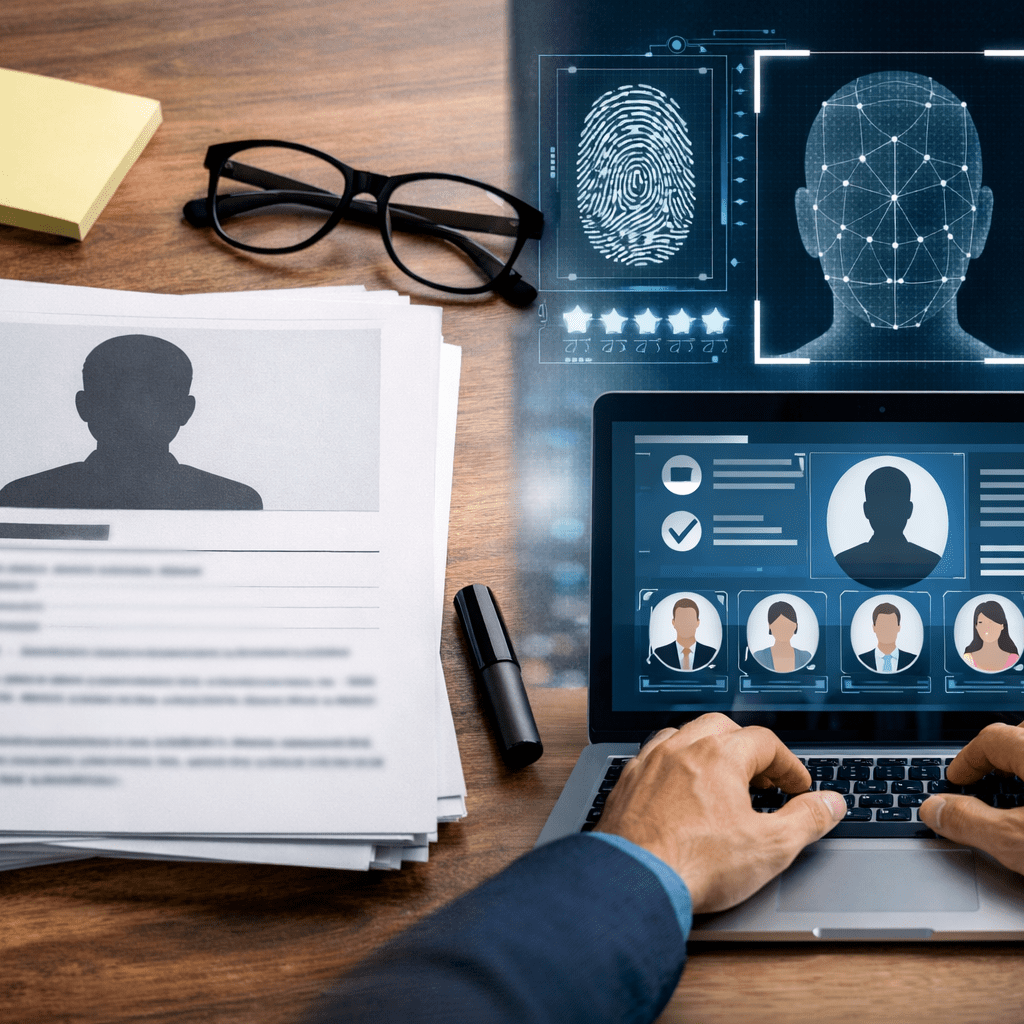
Reducing Bias in Recruiting: Pros & Cons of Blind Hiring and Technology
Key Takeaways
- Blind hiring and technology can both minimize bias but each presents unique challenges organizations must address.
- A balanced, inclusive approach incorporating human judgment and tech tools yields the strongest recruitment outcomes.
Even with the best intentions, subtle bias can creep into the hiring process—whether you’re using traditional human judgment or the latest digital tools. Understanding both blind hiring and technology-driven recruitment helps you create a fairer, more effective approach to building your team.
What Is Blind Hiring?
Definition and core principles
Blind hiring is a strategy used to reduce unconscious bias by removing personal information from candidate assessments. This means details like names, gender, age, education, or background are hidden. The focus is on a candidate’s skills, abilities, and experience—you measure what matters for the role, not who the person appears to be on paper.
The main goal is to give every applicant a level playing field. By stripping away signals that can trigger bias, you make it harder for irrelevant factors to sway hiring decisions. Blind hiring recognizes that even the most open-minded managers have natural, often unconscious, preferences that can affect judgment.
Common methods used
Blind hiring can be implemented in several ways. Companies might use software that automatically redacts names, addresses, or schools from resumes. Others might standardize application forms, focusing only on technical skills or work samples during the early stages.
Some organizations go further, designing anonymized screening tests or assessments—like coding challenges or writing exercises. In these cases, reviewers only see the outcome, not the person behind it. Over time, these practices can help build more diverse and inclusive teams.
How Does Technology Fight Bias?
Types of recruiting technologies
Technology is transforming recruitment. Tools range from automated resume screeners that scan for relevant skills, to applicant tracking systems (ATS) managing every step of the process. Video interview platforms can evaluate communication skills, and online assessments test technical abilities or situational judgment.
Analytical dashboards compile candidate data for quick comparison, while chatbots handle early screening questions. Technology increases speed, efficiency, and consistency—but its real value lies in helping you assess more candidates fairly.
Role of AI and automation
Artificial intelligence (AI) takes things further by recognizing patterns in candidate data and predicting fit based on historical hires. Some AI tools can flag biased language in job descriptions or suggest skills-focused screening criteria. Automation removes many repetitive, low-level tasks, letting hiring teams focus more on interviewing and decision-making.
But, as you’ll see later, even AI isn’t immune to bias. How you set up and monitor your systems matters just as much as the technology itself.
What Are the Main Biases in Hiring?
Unconscious bias explained
Unconscious bias happens automatically. You make judgments about people’s abilities, reliability, or “fit” based on things like names, looks, or accents—often without realizing it. These mental shortcuts are influenced by culture, media, and personal experience. While they help you process information quickly, they can also lead you to misjudge candidates.
Common forms include affinity bias (favoring those similar to yourself), confirmation bias (seeking information that supports your initial opinion), and gender or racial bias. Recognizing the prevalence of these biases is the first step to reducing their impact.
Impact on recruitment outcomes
Bias doesn’t just affect who gets hired—it shapes your company culture and performance over time. Hiring based on “gut feeling” or social background can exclude talented people who bring unique perspectives. This limits diversity, lowers innovation, and can affect business results. On the other hand, reducing bias helps you find the best candidates, align teams, and build trust both inside and outside your organization.
Pros of Blind Hiring and Technology
Encourages diverse talent pools
Blind hiring expands your view of potential candidates. Without personal details influencing decisions, you consider skills and experience first. This approach opens doors to people from non-traditional backgrounds or underrepresented groups, helping you tap into wider talent markets.
Recruiting technology boosts efficiency in reaching large, diverse audiences. Automated tools can surface promising applicants who might otherwise be overlooked, ensuring your hiring funnel stays open to all.
Reduces subjectivity in selection
Data-driven tools and anonymized resumes minimize personal bias. You rely less on intuition or stereotypes, and more on measurable outcomes. Standardizing parts of your process means every applicant is judged on the same criteria, which helps build credibility and supports a fair selection process.
Cons of Blind Hiring and Technology
Possible limitations and challenges
Blind hiring is not a cure-all. Important interpersonal skills—like teamwork or leadership—are often hard to assess without knowing more about a person’s background. Relying solely on anonymized metrics may miss the “whole picture” of a candidate. It can also make later interview stages awkward if deeper context is missing.
Technology, too, can introduce complexity. Setting up new systems takes time and resources. Some tools require ongoing training or adjustment, especially as your organization evolves. Accessibility is another concern—if your tech excludes those without digital access, you may unintentionally lose valuable candidates.
Potential for new kinds of bias
AI and automation are only as neutral as the data they use. If your historical hiring decisions include biases, those can be embedded in algorithms, leading to “automated” forms of discrimination. Over-filtering or over-reliance on certain keywords can also screen out non-traditional applicants with relevant potential. Regular auditing and transparent criteria are essential.
How Can Organizations Balance Both Approaches?
Building inclusive hiring processes
To create truly fair recruitment, combine the strengths of both approaches. Use blind hiring for initial screening, then layer in structured interviews or team-based assessments for deeper insights. Engage diverse evaluation panels for later stages to reduce single-person bias.
Best practices for effective implementation
Regularly review your hiring outcomes for evidence of bias. Provide unconscious bias training for managers. Involve employees in designing fair criteria and promoting transparency throughout your process. Test your tech tools on a range of cases and update them as your needs change.
Are There Risks With Relying on Technology?
Ethical considerations
Tech solutions can unintentionally reinforce old biases if not carefully managed. Monitor algorithms and data sources for fairness, and maintain human oversight for final decisions.
Avoiding overdependence on tools
Don’t let technology replace meaningful judgment or personal connection. Use it to inform, not dictate, your choices. Combining tech with human insight leads to better, more responsible outcomes.