Key Takeaways
- Blind hiring and technology can help reduce bias, but no approach is flawless—balanced, thoughtful use matters.
- Combining inclusive hiring practices with ethical use of technology offers the best path to fair recruitment.
Hiring without bias is a goal many organizations share, but putting it into practice is complex. As companies turn to blind hiring and new technologies, it’s important to understand both the potential and the pitfalls. This guide equips you with a balanced view, revealing how you can leverage these methods to support fair and effective hiring decisions.
What Is Blind Hiring?
Definition and core principles
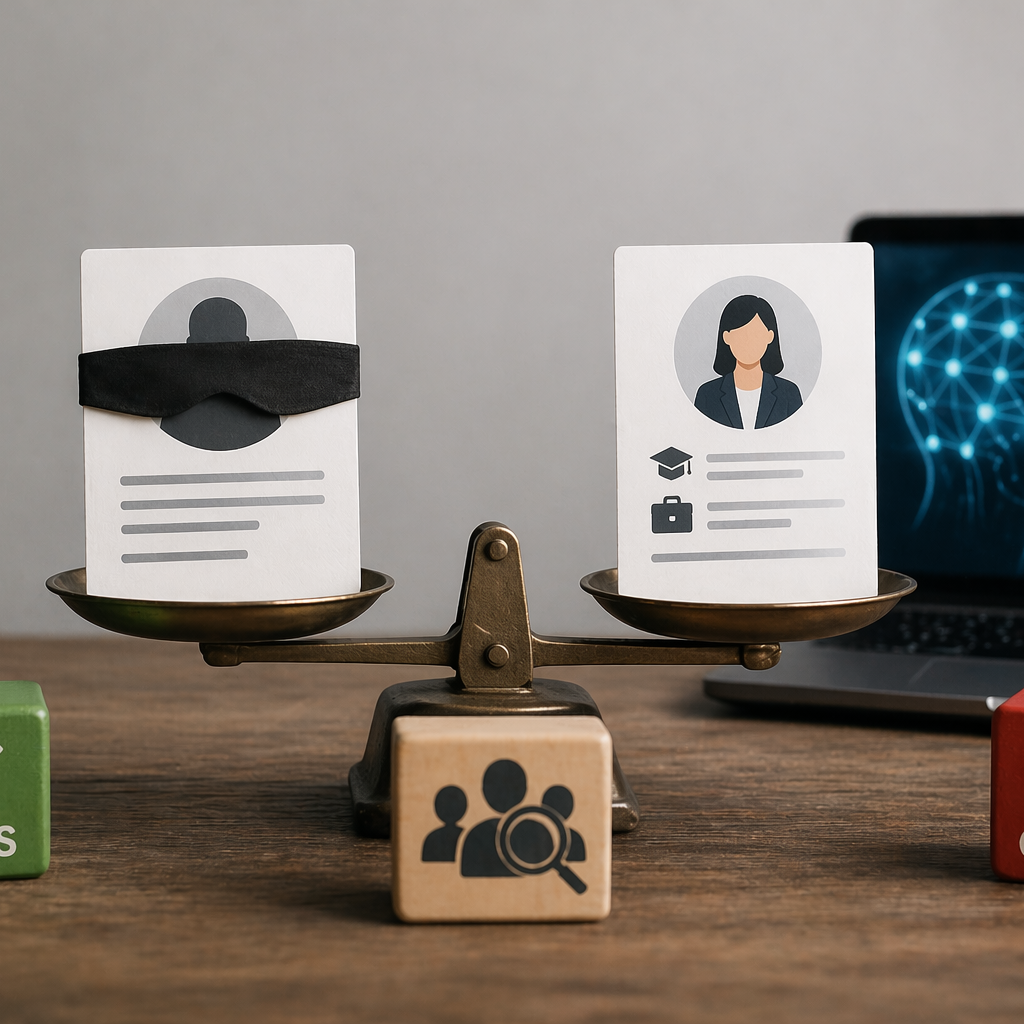
Blind hiring is a recruitment practice that removes personal information from job applications. The main idea is to hide details like name, gender, age, race, or even educational background, so recruiters focus only on candidates’ skills and relevant experience. By reducing exposure to unconscious bias triggers, job seekers can be evaluated more objectively.
Common methods used
Commonly, blind hiring involves anonymizing resumes, using skills-based assessments, or conducting anonymous interviews. For example, resumes might be stripped of names and addresses before they reach the hiring manager. In other cases, applying organizations may set up skills challenges, where candidates complete tasks directly related to the job, with submissions linked by ID codes rather than personal details. Automated screening tools sometimes help by filtering applications on skills alone.
How Does Technology Fight Bias?
Types of recruiting technologies
Technology has evolved to play a major role in fairer hiring. Applicant tracking systems (ATS), skills assessment platforms, and structured interview tools are just a few examples. These systems store, sort, and analyze candidate information, aiming to organize the recruitment process and limit bias by applying consistent criteria.
Role of AI and automation
Artificial intelligence (AI) and automation have brought further advancements. AI-driven tools can scan large talent pools, prioritize applicants based on preset skills and experience, and even craft interview questions that remain consistent across all candidates. Automation also helps by standardizing communication, reducing timing inequalities in candidate review, and flagging potential bias in decision patterns. However, the effectiveness of these tools often depends on the data and design logic behind them.
What Are the Main Biases in Hiring?
Unconscious bias explained
Unconscious bias refers to automatic, unintentional mental shortcuts people use to process information. In hiring, this means assumptions—often based on age, gender, ethnicity, or education—affect decisions, even if you intend to be fair. These biases are deeply rooted and can influence which candidates get noticed, interviewed, or hired.
Impact on recruitment outcomes
Biases can skew recruitment in subtle but significant ways. For example, a manager might favor applicants from similar backgrounds or discount those with non-traditional experience. Over time, such patterns can lead to less diverse teams, limit fresh perspectives, and unintentionally reduce overall team performance. Recognizing bias is the first step toward fairer, more objective hiring.
Pros of Blind Hiring and Technology
Encourages diverse talent pools
By focusing on skills and experience while concealing identifying details, blind hiring creates pathways for people who might otherwise be overlooked. This boosts the odds of attracting a broader range of candidates, which can enrich organizational culture and innovation.
Reduces subjectivity in selection
Automation and anonymization minimize personal judgment in hiring. Instead of gut feelings or snap decisions, choices are made based on verifiable skills and clearly defined criteria. This structured approach helps ensure candidates are assessed fairly and consistently.
Cons of Blind Hiring and Technology
Possible limitations and challenges
Blind hiring and technology are not without drawbacks. Removing all personal details isn’t always feasible, especially for roles that require specific cultural or communication capabilities. Technology solutions may miss out on contextual clues meaningful to assessing soft skills. There’s also the risk of valuable nuances being lost during automated filtering.
Potential for new kinds of bias
While automation can reduce traditional biases, it may introduce new ones. AI tools are only as fair as the data they’re trained on. If those data reflect past biases, the technology can reinforce them. Furthermore, algorithms may deprioritize non-traditional candidates if not carefully calibrated, creating new forms of exclusion.
How Can Organizations Balance Both Approaches?
Building inclusive hiring processes
To effectively reduce bias, combine the strengths of blind hiring and technology with human oversight. Design recruitment steps that prioritize skills, but also allow for in-person or video interactions to evaluate important interpersonal qualities. Foster a culture where diverse backgrounds are valued, and ensure hiring teams represent a mix of experiences and perspectives.
Best practices for effective implementation
Set clear objectives: define what a fair hiring process means for your team. Use technology to filter for core skills, but periodically review and update criteria to match evolving needs. Provide training to hiring managers on recognizing bias, interpreting AI tool outputs, and making final decisions. Encourage feedback after hiring cycles to identify gaps and continuously improve your practices.
Are There Risks With Relying on Technology?
Ethical considerations
Relying too heavily on automated systems poses ethical challenges. AI and algorithms should be transparent, explainable, and subject to regular auditing. Protecting candidate data privacy and securing sensitive information is essential. Additionally, monitor whether the technology is serving your fairness and inclusion goals—or inadvertently hindering them.
Avoiding overdependence on tools
Remember, technology is a tool, not a replacement for sound human judgment. Use it to enhance, not dictate, selection decisions. Regularly validate that automated choices align with your organization’s values and legal requirements. Human input remains critical for assessing qualities like cultural fit, creativity, and adaptability.