Key Takeaways
- Trust-building exercises can improve team engagement, collaboration, and communication when tailored to your team’s needs.
- Adapting trust-building strategies for in-person, remote, and hybrid environments is essential in today’s workplace.
Building trust within a team is more important than ever. As work patterns change and collaboration becomes more digital and diverse, investing in trust-building activities is key to stronger relationships, higher engagement, and more effective teamwork. Let’s unpack what trust-building means in practice, effective activities you can try, and today’s trends in team collaboration.
What Are Trust-Building Team Exercises?
Defining Trust in a Team Setting
Trust is the belief that team members will act in the group’s best interest, communicate honestly, and support shared goals. In a professional context, trust means you can rely on your colleagues, share feedback openly, and feel confident your contributions will be valued. Trust is not static—it develops through repeated positive experiences, clear communication, and a sense of psychological safety.
How These Exercises Work
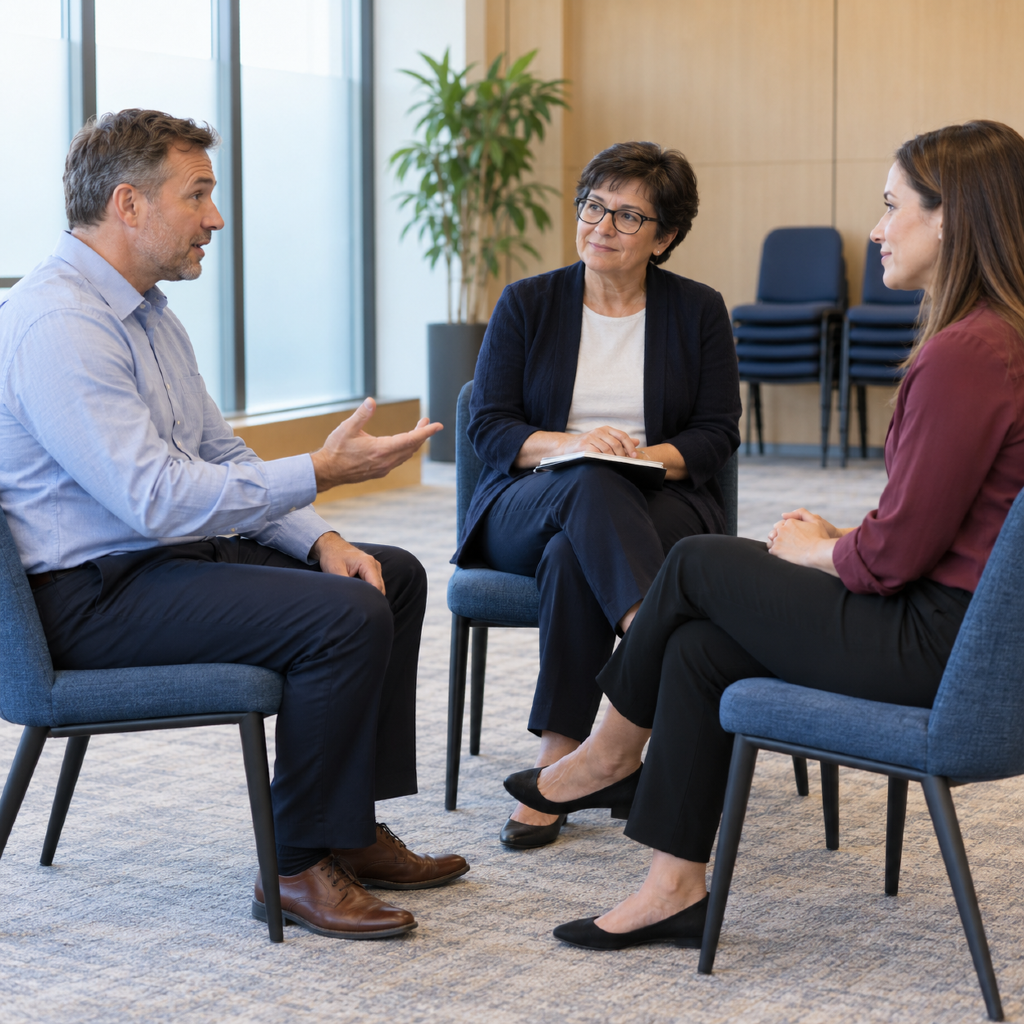
Trust-building exercises are structured activities that help team members get to know one another, practice communication skills, and address group challenges in a safe environment. By collaborating on tasks outside of daily routines, individuals learn about each other’s strengths, work preferences, and communication styles. The goal isn’t to create instant trust but to lay the groundwork for ongoing, meaningful connections that impact daily work.
Why Does Team Trust Matter Today?
Effects on Engagement and Retention
Teams with high trust are linked to greater engagement, job satisfaction, and retention. When people feel safe speaking up and participating, they’re more likely to contribute innovative ideas and stay committed to shared objectives. Conversely, a lack of trust can lead to low morale, increased turnover, and barriers to collaboration.
Collaboration in Modern Workplaces
Today’s teams often span departments, geographies, or even time zones. This makes trust especially critical—and sometimes challenging—when you may not interact with colleagues face-to-face. Trust-building proactively bridges gaps created by remote work, diverse backgrounds, and evolving work models. Fostering trust enables smoother collaboration, faster conflict resolution, and better project outcomes.
Effective Trust-Building Activities for Teams
Communication-Based Exercises
Communication drills are foundational for building trust. “Two Truths and a Lie” encourages teammates to reveal something about themselves and spot common ground. Active listening sessions, where one person shares and the other reflects the key points, foster understanding and show respect. Another effective option is “Role Reversal,” where team members briefly switch responsibilities to gain perspective and empathy for each other’s roles.
Problem-Solving Challenges
Activities that require group problem-solving, such as escape room simulations or time-limited brainstorming sessions, can prompt cooperation and creativity. “Marshmallow Challenge”—where teams construct a structure using limited materials—requires negotiating ideas, assigning responsibilities, and adapting in real time. The focus is on working together towards a solution, learning how people handle setbacks, and developing trust through shared achievement.
Remote Team Engagement Ideas
For distributed teams, virtual icebreakers and digital “coffee chats” can create informal touchpoints. Online games like trivia or collaborative platforms for shared drawing and storytelling can help break down barriers. Another approach is “Virtual Show & Tell,” where team members share something meaningful from their workspace or home life, creating personal connections without being intrusive.
How Can You Facilitate Team Trust?
Tips for Inclusive Participation
To ensure everyone benefits from trust-building, invite participation but allow opt-outs—some may be more comfortable observing at first. Use activities that are accessible to people of different backgrounds and abilities. Clear instructions, defined roles, and rotating facilitators can balance involvement and encourage diverse perspectives. When possible, schedule activities during work hours to signal organizational support.
Overcoming Common Challenges
Some teams may resist structured activities, especially if they’ve had negative experiences or feel pressed for time. Explain the purpose behind exercises and select activities that align with your team’s current needs. If discomfort arises, acknowledge it and provide alternative ways to engage. Feedback loops—soliciting participant input after activities—can improve future sessions and build trust in the process.
What Are the Latest Collaboration Trends?
Virtual Collaboration Tools
Digital collaboration has soared, with tools such as video conferencing, project management platforms, and cloud-based whiteboards becoming standard. These technologies make it easier for teams to connect, share real-time updates, and collaborate on documents regardless of location. Integrating these tools thoughtfully into daily workflows can reinforce transparency and trust.
Hybrid Team Building Approaches
As hybrid work models take hold, team-building strategies are evolving. Some organizations blend in-person retreats with regular virtual check-ins to maintain trust among dispersed teams. Flexible schedules and asynchronous activities—like shared playlists or reading clubs—support engagement without requiring everyone to be online at the same time. The most effective trust-building programs today adapt to the team’s work reality and evolving preferences.
Are Trust-Building Activities Always Effective?
Factors Affecting Success
The impact of trust-building exercises depends on several factors: team size, individual personalities, existing dynamics, and leadership support. Activities work best when they are relevant, voluntary, and tailored to the group’s culture. Forced participation or irrelevant exercises can breed skepticism rather than trust.
Adapting to Your Team’s Needs
Assess your team’s readiness and objectives before implementing trust-building practices. Regular check-ins and honest discussions about what’s working—and what isn’t—can help you adjust your approach. Trust-building is an ongoing process, not a one-time fix. Stay flexible and responsive to foster genuine, lasting collaboration.