
Key Takeaways
- Unconscious bias training equips managers with practical tools for more inclusive and effective team leadership.
- Implementing ongoing, tailored bias training can help build a healthier, more collaborative workplace culture.
Modern organizations expect managers to foster inclusive and adaptive environments. Recognizing and addressing unconscious bias represents a vital step in achieving this. With the right approach, bias training offers practical ways to improve leadership, boost team performance, and strengthen organizational culture—all starting with awareness.
What Is Unconscious Bias in Leadership?
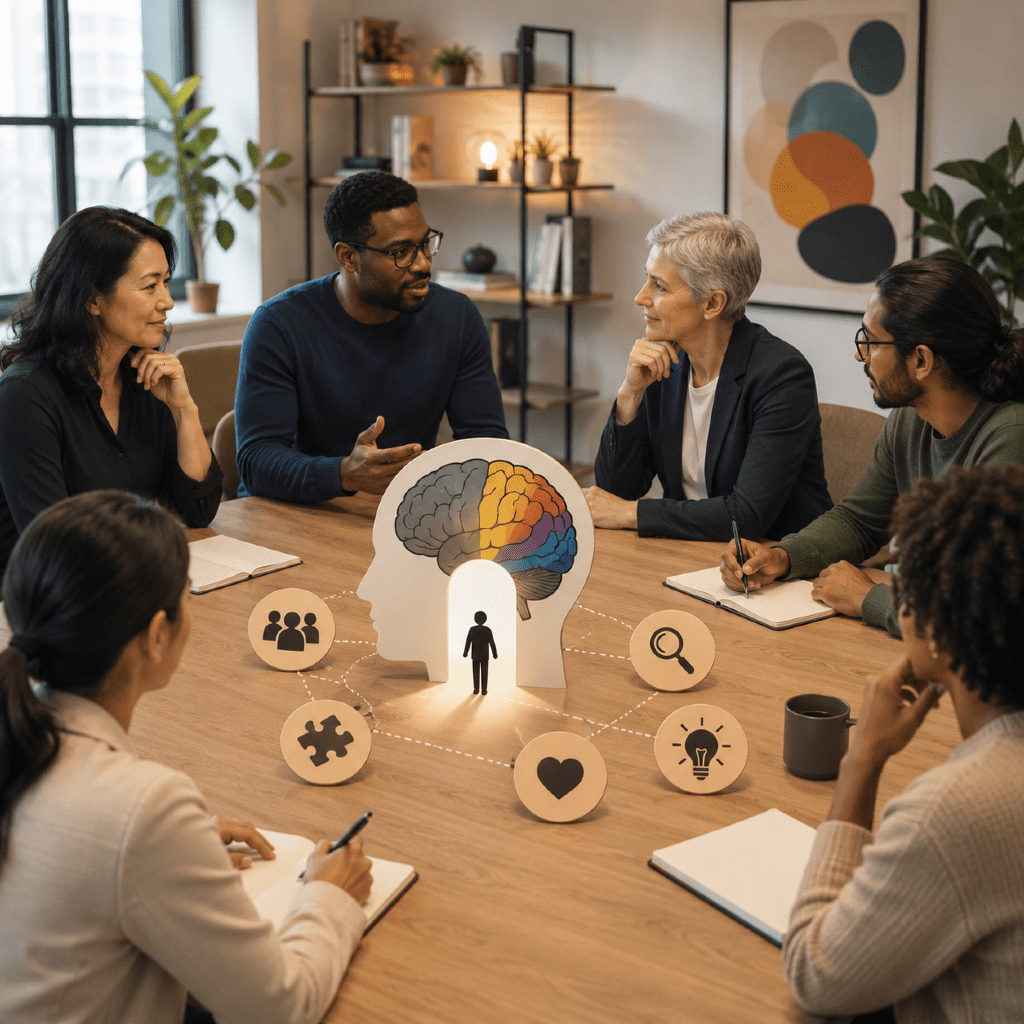
Unconscious bias refers to the attitudes or stereotypes that affect your understanding, actions, and decisions without your conscious awareness. In a leadership context, these hidden biases can shape everything from hiring to performance reviews and day-to-day management.
Common Types of Unconscious Bias
Some of the most common forms of unconscious bias you may encounter as a manager include:
- Affinity Bias: Favoring people who are similar to you in background, interests, or experiences.
- Confirmation Bias: Seeking out information that reinforces your existing beliefs or assumptions about individuals or groups.
- Halo Effect: Allowing one positive trait (such as an impressive degree or outgoing personality) to disproportionately influence your perception.
- Implicit Gender or Racial Bias: Having unrecognized beliefs about specific gender identities, races, or ethnicities that influence evaluations or opportunities.
- Attribution Bias: Attributing others’ actions to personality rather than situational factors, and interpreting your own behavior differently.
How Bias Influences Management Decisions
If you’re not actively aware of bias, it can influence your decisions—even with the best intentions. For example:
- You might unconsciously select candidates who “seem like a good fit,” reinforcing homogeneity in your team.
- Informal feedback and opportunities can be distributed unevenly, shaping development paths.
- Day-to-day judgments about conflict, performance, or potential may be swayed by implicit biases, affecting fairness and morale.
Why Is Bias Training Important for Managers?
Bias training is a critical tool for developing effective, inclusive leadership. It helps increase self-awareness, reduce inequities, and foster higher-performing teams. In a diverse workplace, inclusive leadership directly impacts hiring, collaboration, and organizational reputation.
Benefits of Awareness in Leadership
When you gain insight into your own biases, you’re better equipped to:
- Make more objective, evidence-based decisions in recruiting, promotions, or conflict resolution.
- Build a culture where everyone feels seen, heard, and valued.
- Encourage diverse perspectives, leading to stronger problem solving and innovation.
Impacts on Team Dynamics and Culture
Teams led by managers with bias awareness experience:
- Improved trust, engagement, and communication across all levels.
- Greater transparency and openness in feedback, leading to a stronger sense of belonging.
- A reduction in misunderstandings and a more collaborative team environment.
What Does Effective Bias Training Cover?
Not all bias training is created equal. The most effective programs are practical, relevant, and built on core principles that resonate with managers’ real-world responsibilities.
Core Topics and Learning Objectives
You should look for bias training that covers:
- The science and psychology of unconscious bias.
- Realistic workplace scenarios and case studies.
- Strategies for identifying personal and systemic biases in decision-making.
- Tools for building more inclusive habits and communication practices.
The goal is not to “eradicate” all bias, but to raise awareness and provide actionable steps for continual improvement.
Interactive Methods and Approaches
Engaging, interactive sessions improve retention and practical application. Common methods include:
- Group discussions and role-play exercises tailored to workplace situations.
- Self-reflection prompts or bias assessments.
- Video-based vignettes that highlight subtle forms of bias and encourage dialogue.
- Real-time feedback and practical debriefs to reinforce key concepts.
Practical Steps to Implement Bias Training
Rolling out bias training requires planning, alignment, and thoughtful execution. Here’s how you can start embedding this vital leadership skill into your team.
Step 1: Assess Existing Team Biases
Begin by gathering information. This may involve anonymous surveys, interviews, or facilitated group sessions to reveal current perceptions and challenges within your team. The goal is to understand both individual and group dynamics before designing training.
Step 2: Set Clear Training Goals
Define what you hope to achieve with bias training. Are you focusing on equitable hiring, inclusive decision-making, or improving team communication? Clear objectives help shape content and measure progress.
Step 3: Choose the Right Training Format
Select a training approach that suits your team’s size, schedule, and learning styles. Options might include in-person workshops, interactive webinars, or self-paced online modules. Consider supplementing formal training with ongoing check-ins for continued learning.
Step 4: Promote Ongoing Dialogue
Bias training isn’t a one-time fix. Foster an environment where open conversations are encouraged. Provide safe, structured opportunities for team members to discuss challenges, share insights, and support each other’s growth.
How Can Managers Apply Training Insights?
The true value of bias training lies in how you use what you’ve learned to shape daily practices and decisions.
Building Inclusive Communication Habits
- Encourage and model active listening within your team.
- Ensure all voices are heard during meetings, not just the most vocal or familiar faces.
- Provide feedback in a balanced, constructive way, free from assumptions or stereotypes.
- Set clear expectations for respectful, inclusive interactions.
Improving Decision-Making Processes
- Use structured criteria for hiring, assignments, or promotions instead of relying solely on intuition or “gut feelings.”
- Involve diverse colleagues in decision-making panels when possible.
- Regularly review outcomes, asking whether all team members have equal access to opportunities and resources.
What Are Common Challenges and Solutions?
Introducing bias training comes with obstacles. Recognizing these challenges—and effective responses—will help you create lasting change.
Overcoming Resistance to Training
Some team members may be skeptical or uncomfortable with the idea of bias training. You can address this by:
- Framing training as an opportunity for personal and professional growth, not as a criticism.
- Sharing evidence of positive outcomes in organizations that have embraced inclusive leadership.
- Creating a safe, nonjudgmental space for dialogue and learning.
Sustaining Long-Term Behavioral Change
Maintaining momentum after initial training requires:
- Reinforcing key messages through regular follow-up and real-world application.
- Recognizing and rewarding inclusive behaviors to encourage accountability.
- Building ongoing learning into team routines, keeping inclusion top of mind.
Can Small Teams Benefit from Bias Training?
Bias training is not limited to large organizations—small teams can realize significant positive change as well.
Customizing Training for Small Groups
In compact teams, training can be more targeted and interactive, with scenarios and solutions tailored to your specific context. This fosters higher engagement and practical relevance.
Measuring Impact on Smaller Teams
Track progress over time using surveys, feedback, or informal check-ins. Celebrate visible shifts in team dynamics, collaboration, and overall workplace satisfaction. Small improvements can make a big difference.